The library
Understand a symptom
Separate safe observations from assumptions about the fault.
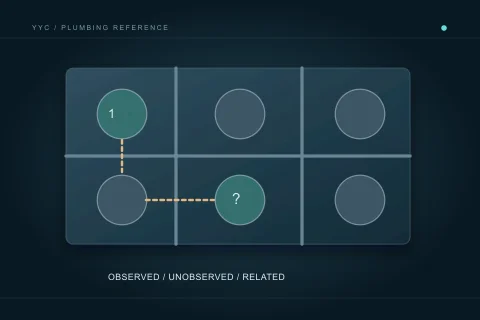 Scope from observations
Map the extent before asking for a replacement
A symptom’s extent helps define the assessment question, but it does not identify the failed component. One faucet, every fixture in a room and an entire property are different patterns. Map what you can safely observe and preserve what remains unknown. This approach helps keep a small repair from becoming an automatic system replacement, while also avoiding a fixture-only response to a wider concern.
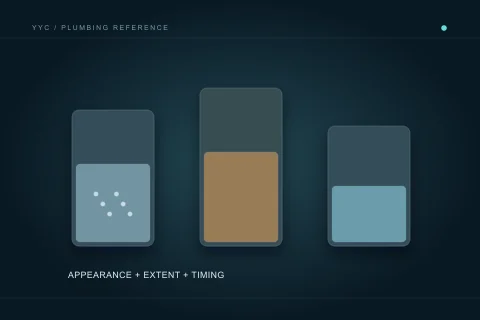 Water observations
Record the appearance and pattern before choosing a remedy
Cloudiness, colour and particles are different observations, and one fixture’s hot-water appearance can differ from cold water throughout a property. Begin with the extent, timing and current official information. Calgary explains several common circumstances, but a general explanation does not certify every unfamiliar case. Use 311 for the actual utility-water question and qualified service for relevant household equipment.
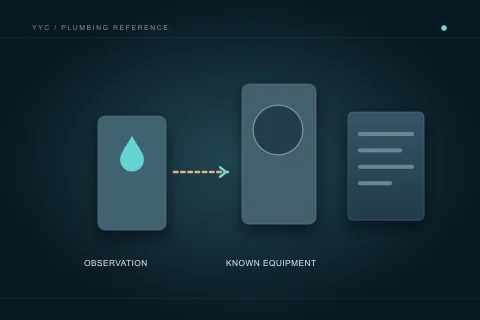 Water-quality questions
Separate a taste concern from a treatment purchase
A changed taste is a reason to describe the pattern and check current information, not a basis for a remote safety assurance or automatic treatment recommendation. Identify the affected outlets and relevant notices without intentionally repeating exposure to investigate it. Calgary’s guidance explains common observations and an enquiry route. Specific current advice for the actual concern should come from the responsible authority.
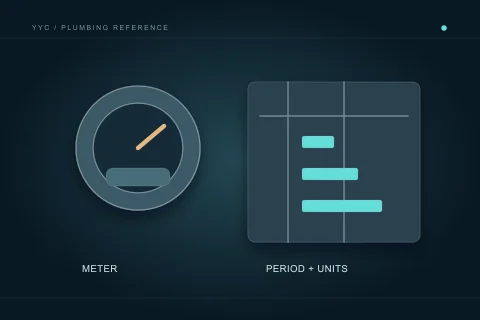 Consumption evidence
Put the consumption change in context
An unexpectedly high bill or apparent use when fixtures are quiet can justify an enquiry, but it does not locate a leak or establish a meter fault. Start with measured units, period dates and changes in household use. Separate billing questions, meter concerns and plumbing assessment. The water-use worksheet estimates only the supplied observed rate; it cannot translate a bill into a confirmed hidden-leak diagnosis.
 Location matters
Separate an odour observation from a drain diagnosis
An odour near a fixture may seem like a drain problem, but its source can be the water, the fixture area or another building condition. Start by describing where and when it is noticed. Suspected gas or unsafe conditions require direct emergency action, not an online plumbing diagnosis. This page provides observation and review questions without chemical treatments, pipe-opening or sewage handling instructions.
 Fixture observations
Describe the toilet symptom before choosing a repair
A toilet concern may involve water at the floor, recurring refill sounds, an overflow or an unreliable flush. These observations point to different review questions. Do not treat every toilet symptom as a replace-the-toilet decision, and do not dismantle the fixture to prepare a request. Start with safe observations, whether water is continuing and whether other fixtures are affected.
 A contained fixture concern
Turn a small drip into a clear review brief
A drip at the outlet and moisture around the faucet body or supply connection are different observations. The first may be a contained fixture concern; the second can affect finishes or hidden areas. Start by identifying where water appears, whether it continues and whether access is safe. A small symptom deserves an accurate brief rather than a guessed part number or an automatic replacement request.
 Drainage observations
Describe slow drainage without recreating a backup
A slowly clearing basin, a gurgling fixture and a multi-room backup are different patterns. Drainage symptoms need a record of which fixtures are affected and what happens during ordinary use, without deliberately sending more water into a suspected blockage. This reference helps prepare a review. It does not provide chemical, pressurized cleaning, pipe-opening or sewage cleanup instructions.
 Loss of supply
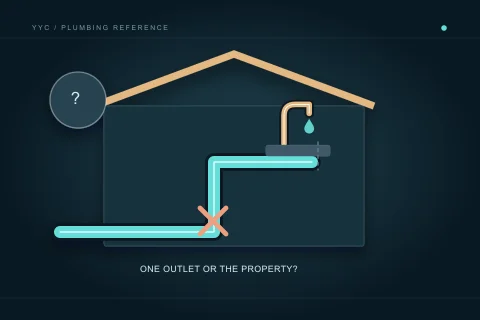
Describe a loss of water before assigning the cause
No water at one fixture, no hot water and no supply anywhere are different situations. Start by describing the extent and checking current notices, without operating unfamiliar equipment or forcing valves. A utility interruption, building-managed shutdown and household problem can look similar from a kitchen tap. Use the facts to choose a direct contact and a useful report; an online request cannot restore supply or establish the cause remotely.
 Hot and cold are different clues
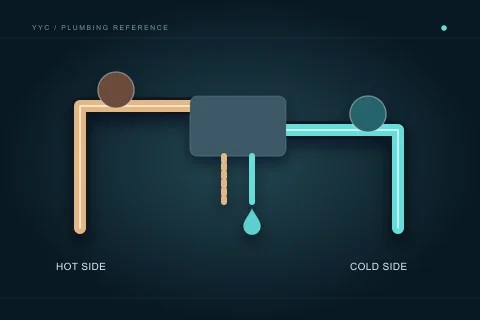
Record the hot-water pattern without adjusting equipment
A hot-water problem can involve availability, arrival time, changing temperature or flow at particular fixtures. Those are different observations. Compare the pattern with cold water only where safe, and keep the heater, valves and powered equipment in qualified hands. This page helps prepare the review; it does not diagnose a heater, choose a replacement size or provide gas, electrical or temperature-adjustment instructions.
 Evidence and access
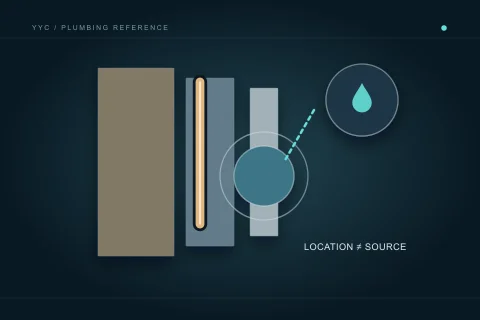
Prepare a hidden-leak review from the pattern
A damp patch, stain, sound or unexplained bill can justify investigation, but none establishes a hidden pipe leak by itself. Water can travel from another location, and non-plumbing moisture can produce similar signs. Begin with timing, location and what has changed. The useful next step is a defined assessment and access plan, not repeated guessing or destructive openings based on a photograph.
 Supply observations
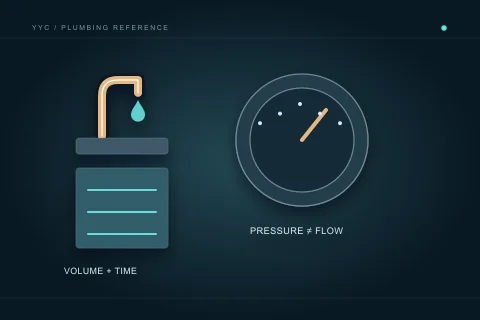
Separate pressure concerns from an observed flow change
“Low pressure” often describes a tap producing less water, but an observed flow rate and pressure are different measurements. A small container-and-time observation can document change at a safely operating fixture; it cannot certify service pressure, diagnose a regulator or establish a required pipe size. Begin with the pattern: which fixtures, hot or cold, sudden or gradual, and whether the wider neighbourhood is affected.
No matching articles. Try a broader symptom, room or project term.
Turn the details into a clear request.
Describe the location, symptoms or proposed work. A person reviews the brief; any referral or contractor arrangement is a separate step with your agreement.