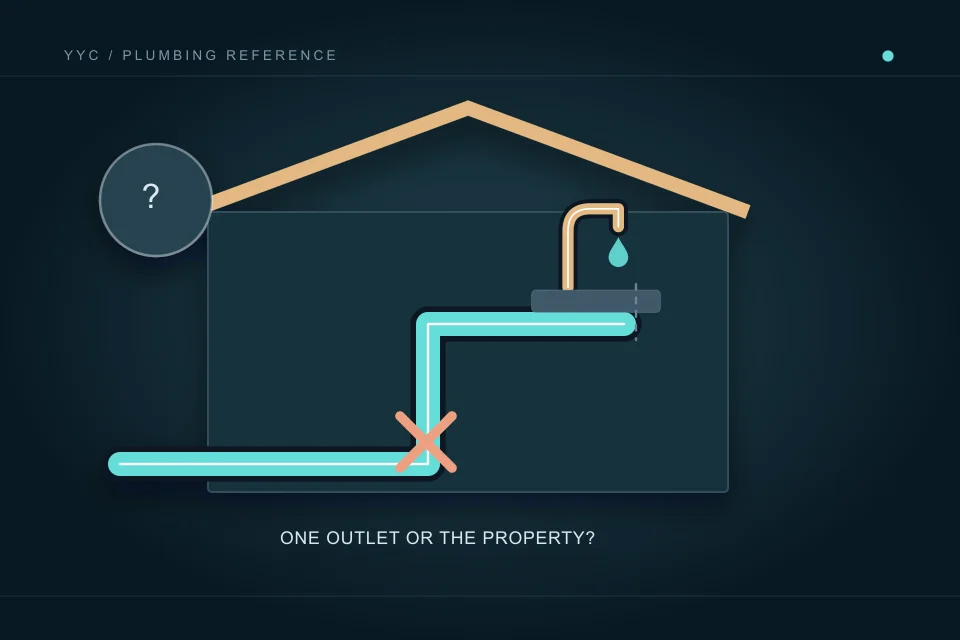
Identify what is actually unavailable
Note whether cold water, hot water or both are unavailable and which fixtures are affected. Use observations that can be made safely without running water into a blocked drain or disturbed system. Record when supply was last normal and whether the change was sudden or gradual. A single tap not delivering water should not automatically be described as a whole-property outage.
For a managed building, check the normal communication channel for an announced shutdown and notify the manager if no notice explains it. Ask nearby occupants about the pattern only where practical. Shared observations help define the extent, but they do not determine which pipe or control has failed. Preserve the difference between what you observed and what someone else reported.
Check current utility and building information
Look for current City water service information related to the address and use 311 for utility questions. Do not rely on an old social post about a different neighbourhood. The City’s water pressure guidance provides context for supply changes, while the actual event may need a current service enquiry. Give the address and extent rather than a guessed component failure.
Keep any reference number, notice and expected update as part of the record. A posted estimated restoration time is information about that event, not a guarantee from this site. If no wider interruption is known, a qualified plumber or building maintenance contact may need to assess the private arrangement. Do not assume that an absence of a notice proves the entire problem is inside the dwelling.
Record recent work and relevant conditions
Tell the responder about a scheduled shutdown, plumbing work, appliance service or building maintenance shortly before the loss. Include whether the property has been vacant, unusually cold or recently reoccupied. Calgary identifies frozen service lines as one possible supply concern, but season and weather alone cannot establish that diagnosis. Report the chronology without attempting to thaw or dismantle the system.
If a valve was operated by a responsible professional, record who did it and when rather than trying to reverse the work yourself. Ask that party for the status of the shutdown and restoration. Do not force a valve or operate street infrastructure to see whether water returns. A clear account of prior actions prevents another responder from assessing a system without knowing what has already changed.
Avoid turning the loss into a damage event
Leave affected equipment and connections alone when their status is uncertain. Do not use flame, improvised heating or electrical equipment near wet areas to investigate a suspected frozen line. The City’s frozen-line guidance is the relevant official reference; a qualified response depends on the service arrangement and current condition. This page does not provide thawing instructions.
If water returns unexpectedly after a suspected leak or shutdown, follow the responsible party’s instructions for the affected fixtures. Report any new leakage, unusual water or unsafe conditions. Occupants need to know that the arrangement changed, especially where several people may try fixtures at once. A supply interruption and a subsequent drainage or leakage event should be recorded separately.
Coordinate the appropriate responsible party
A tenant should use the landlord or designated maintenance contact. A condominium occupant should notify the manager where shared controls or service might be involved. A homeowner can use 311 for utility concerns and a qualified plumber for household assessment. Describe any other contacts already involved so a new responder understands the coordination rather than starting from a blank account.
Do not authorize permanent changes to a shared system without the appropriate approval process. The location of the symptom does not establish ownership. Ask the assessor to explain the boundary between utility, common-property and private work before a proposal expands. Keep emergency attendance, assessment and permanent alterations as distinct scopes with clear responsibility and records.
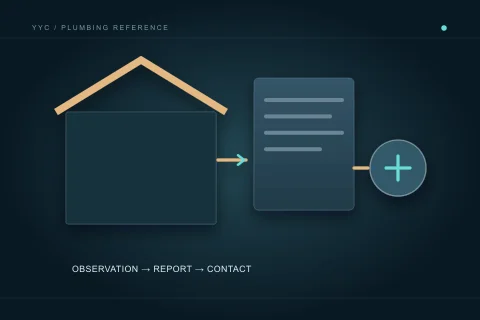
Prepare the next-step report
A useful report includes address or neighbourhood, property type, affected fixtures, hot/cold distinction, start time, notices checked and work immediately beforehand. State whether an accessible occupant can provide entry and whether the landlord or manager has been notified. Do not send utility passwords or unrelated household information. The objective is to let a person determine the next appropriate review.
If you use a YYCPlumber request after direct service enquiries, explain what remains unresolved and include any reference number. Requests are human reviewed and do not establish a booked visit, restoration time or confirmed diagnosis. If the condition changes to active flooding, suspected gas or another life-safety concern, use the appropriate direct emergency process instead of waiting for routine correspondence.
Questions people ask
Does no water mean the service line is frozen?
No. It is one possible circumstance, not a diagnosis. Extent, timing, current notices and a qualified assessment matter. Do not attempt improvised thawing.
Should I turn every valve to find the problem?
No. Record known controls and prior professional work. Unfamiliar or forced valves can create another issue and obscure the state of the system.
Can this site give a restoration time?
No. Contact the party responsible for the actual interruption. A human-reviewed request does not guarantee attendance or utility restoration.
What if only hot water is unavailable?
Record that distinction and use the hot-water symptom guide. It is different from a general loss of cold-water supply and may require a household equipment assessment.
Sources and further reading
- Water pressure in Calgary ↗ · City of Calgary. Checked 2026-10-02.
- Protect your water lines and meter from freezing ↗ · City of Calgary. Checked 2026-10-02.
- Landlords and tenants — Rights and responsibilities ↗ · Government of Alberta. Checked 2026-10-02.
Confirm the current requirements with the responsible authority for the actual address and work. This reference does not replace site assessment or an official decision.