Describe the supply pattern first
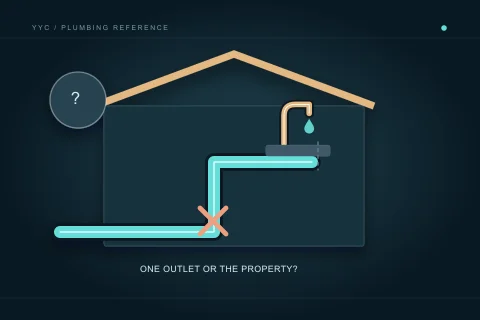
State whether no water, reduced delivery or a gradual change affects one fixture or the whole property. Distinguish hot and cold observations and note when water was last normal. Include whether the building was vacant or recently reoccupied, but do not turn that history into a diagnosis. A colder room and a coincident symptom are useful facts that still require review.
Use safe existing observations instead of repeatedly testing fixtures. Do not open walls or disconnect piping to locate a suspected frozen section. Tell the responder about any recent shutdown or service work. If nearby properties or other units report a similar interruption, share that as a reported wider pattern rather than proof that the City or building caused the event.
Use Calgary’s current frozen-line process
The City’s frozen water-line guidance explains the local service context and appropriate contact route. Contact 311 for City water questions and a qualified plumber or building maintenance service for household concerns as directed. Current notices and the actual service arrangement matter more than a generic internet thawing method. Keep the enquiry reference and instructions you receive.
The City distinguishes service-line and private-property circumstances; do not assume ownership solely from the room where the symptom is noticed. Ask the responder what boundary is being assessed and what access is required. A City enquiry is not a promise that every private repair is included, and a household appointment does not automatically establish the utility-side condition.
Avoid actions that create fire or electrical risk
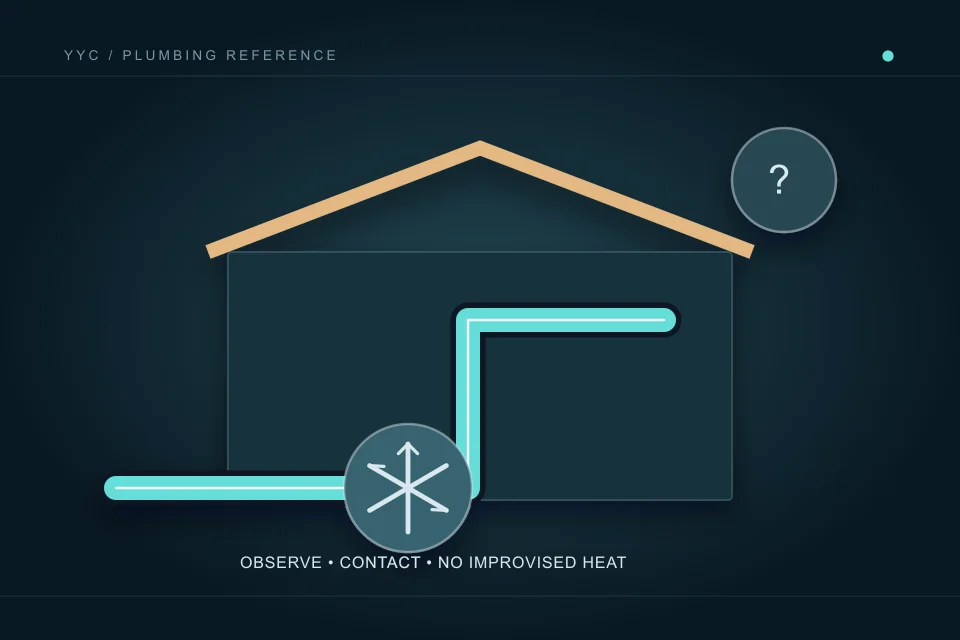
Do not use open flame or improvised heating to thaw a suspected line. Do not place powered equipment in a wet area, open electrical equipment or disturb gas appliances. This page deliberately provides no thawing sequence or equipment setting. A professional should determine an appropriate response for the actual installation and current conditions.
If leakage, flooding or another unsafe condition appears, reassess urgency immediately. Water above electrical outlets and gas odour are among conditions highlighted in City flooding guidance for emergency response. Keep people out of unsafe areas. Waiting for a routine online reply is not an appropriate substitute for direct help when the situation changes.
Coordinate occupancy and responsible access
For a rental, tell the landlord or designated maintenance contact about the pattern and timing. For a condominium, involve the manager where shared services or controls may matter. State whether a responsible occupant can provide safe access and whether areas are restricted. Do not force an unfamiliar valve or operate street infrastructure while trying to help a responder arrive prepared.
A vacant property needs a designated person to coordinate entry and the current condition. Record who last observed normal supply and any known maintenance arrangements. Avoid collecting irrelevant personal details or assuming a tenant can authorize changes to shared equipment. The responsible party should establish scope and permission before permanent work or destructive access proceeds.
Treat restored supply and later leakage separately
A change in supply does not certify that the system is undamaged. Record any subsequent leakage or altered water condition and follow the responsible service’s instructions. Do not declare the problem repaired solely because one tap begins to flow. The assessor should explain the finding, work completed and any limitations or further review needed.
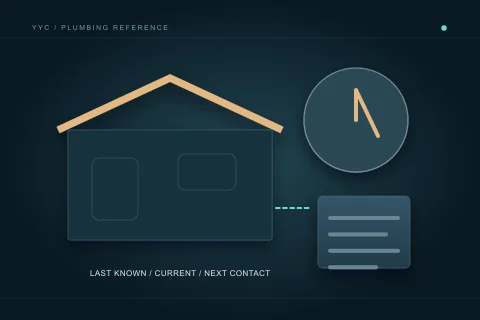
Keep the chronology clear: initial symptom, contacts, professional actions, restored supply and any later event. This helps distinguish separate issues and avoids confusing a temporary condition with a permanent repair. If work changes piping, ask about the applicable permit process. Limited response and a larger alteration can have different scope, approval and documentation requirements.
Use the event to improve the property record
After the immediate issue is addressed, retain service reports, known pipe routes, access information and any professional prevention recommendations for the actual building. Do not generalize one recommendation into a rule for all Calgary homes. Product, building and service conditions vary, and a current City notice may apply only to a specific circumstance.
A human-reviewed YYCPlumber request can help prepare a planned review of recurring concerns or compare proposed scopes. Provide the event history and the decision still needed. Submission does not book an emergency visit, certify a frozen line or guarantee restoration. Keep direct service contacts responsible for the live situation and use reference tools for organized planning afterward.
Questions people ask
Does cold weather prove the line is frozen?
No. Extent, timing, notices and professional assessment matter. Describe the symptom without assuming the cause.
Can I use a torch or heater to investigate?
No thawing instructions are provided here. Avoid open flame and improvised heating, and use the City and qualified-service process for the actual condition.
Does water returning mean there is no damage?
Not necessarily. Report any later leakage or changed condition and retain the professional finding and limitations.
Should everyone follow the same prevention instruction?
No. Use current City guidance and qualified recommendations for the actual property. Do not apply a notice or generic method to a different service arrangement.
Sources and further reading
- Protect your water lines and meter from freezing ↗ · City of Calgary. Checked 2026-10-02.
- Water pressure in Calgary ↗ · City of Calgary. Checked 2026-10-02.
- Basement flooding and seepage ↗ · City of Calgary. Checked 2026-10-02.
- Homeowner electrical and plumbing permits ↗ · City of Calgary. Checked 2026-10-02.
Confirm the current requirements with the responsible authority for the actual address and work. This reference does not replace site assessment or an official decision.