Map where the change occurs
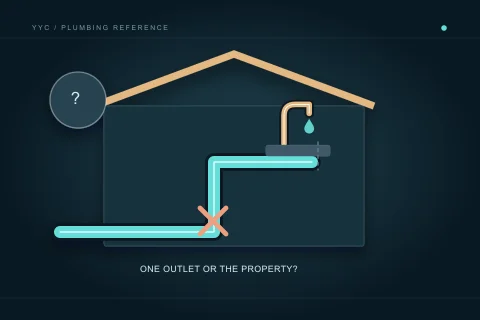
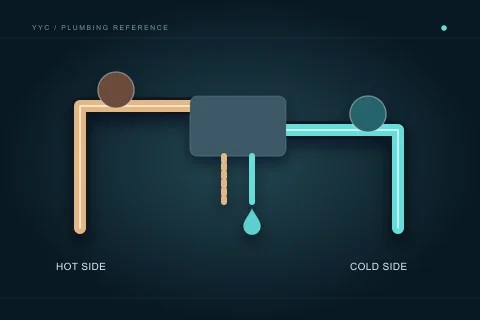
Write down the fixtures affected without repeatedly operating equipment that is leaking or otherwise unsafe. Compare safe observations of hot and cold at the same fixture, and note whether another room has the same symptom. A single shower, every hot tap and an entire house are different patterns. Keep these observations separate from the idea that a particular pipe must be blocked.
Record the start date, whether the change is constant and whether it appears when more than one fixture is used. A problem noticed after a renovation, service interruption or fixture replacement may have useful timing. Give those dates to the reviewer. Do not turn valves, remove a regulator or dismantle an installed device to obtain a more decisive answer for an online form.
Measure a safe observation consistently
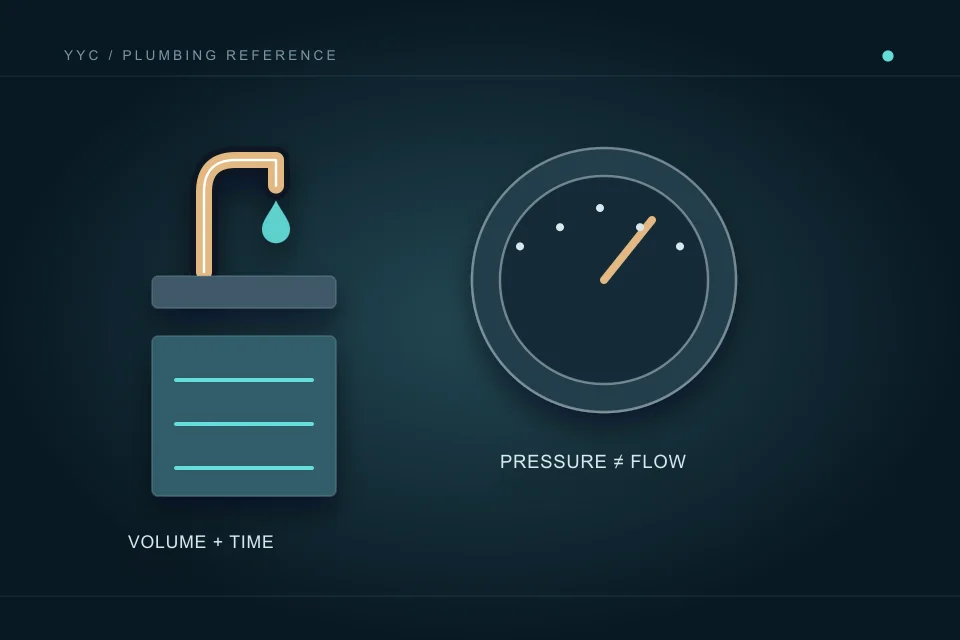
If the fixture can be used safely without causing overflow or damage, collect a known volume in litres and record the elapsed seconds. The worksheet calculates litres per minute as volume divided by seconds, multiplied by sixty. State the fixture, temperature selection and other water use at the time. Repeat measurements under comparable ordinary conditions only when there is a useful reason.
A bucket test is an observation of delivered flow at that outlet. Fixture design, aeration, simultaneous use and supply conditions affect it. A smaller value does not establish pressure, a failed service line or non-compliant piping. Avoid comparing it with a universal internet “good pressure” number. A qualified assessment may use different instruments and conditions to answer the actual question.
Use the City context where appropriate
Calgary has pressure zones and topography that influence utility supply. Check for current City water service notices relevant to the address rather than assuming every household receives the same conditions. The City’s water pressure guidance distinguishes circumstances that may need a plumber from broader utility concerns and includes frozen-line considerations.
If multiple properties lose supply or pressure unexpectedly, contact 311 for City water questions. If only hot water is affected or the pattern is limited to household equipment, tell a qualified plumber that specific fact. Do not claim City responsibility from a whole-home symptom alone. The service connection, building controls and installed devices can all require clarification before responsibility is assigned.
Look for relevant changes without changing settings
List recent work, water interruptions, filter or treatment servicing and any replaced fixtures. Note whether the property has a pressure-reducing valve, treatment equipment or building-managed supply if known, but do not adjust it. Manufacturer documents and previous service reports can show what was installed and when. A photograph of an accessible label can be useful without opening equipment.
An older home may contain several pipe materials and later alterations. Age alone does not establish the cause or justify whole-house replacement. Likewise, a new fixture’s different discharge pattern can be mistaken for a broader problem. Preserve the sequence of events and ask the assessor what observations would distinguish those possibilities before authorizing a large investigation or replacement.
Ask for an assessment with a defined question
A good review question is “Why did cold-water delivery fall at all upstairs fixtures after the interruption?” rather than “Quote a new service.” Ask what will be checked, how access is arranged and whether the visit includes a written finding. If work is recommended, request the evidence connecting the proposed component or pipe replacement to the observed symptom.
Ask whether the recommendation addresses a local fixture, a branch, household distribution or the service connection. Those scopes have different access and approval consequences. If the work alters plumbing, confirm the relevant permit process. An estimate should distinguish assessment, repair and optional upgrades so that an unexplained symptom does not become automatic approval for all suggested improvements.
Carry the evidence into a request
Send the property type, affected fixtures, hot/cold distinction, timing and any observed flow result with its units. Include relevant City notices and service history. For a rental or condominium, say whether the landlord or manager has been notified and whether neighbours report the same issue. Do not include account credentials or assume a person reviewing a request can view utility records.
State whether you want an assessment, a comparison of proposed options or help preparing a contractor brief. YYCPlumber provides reference information and human-reviewed requests; it does not test pressure remotely, certify plumbing or promise attendance. If conditions change to no water, active leakage or unsafe flooding, reassess urgency rather than waiting for a routine request response.
Questions people ask
Does litres per minute tell me the pressure?
No. It records delivered flow at a fixture under the observed conditions. Pressure requires a suitable measurement and interpretation; the flow worksheet is not a diagnostic instrument.
Should I adjust the regulator to see whether the flow improves?
No setting changes are advised here. Record the symptom and known equipment, then use a qualified assessment for controls and installed devices.
Is low delivery automatically a City issue?
No. Contact 311 for utility questions and check notices, but household equipment, branches and fixtures may also be relevant. Describe the scope before assigning responsibility.
Will replacement definitely improve the symptom?
That depends on the cause and the proposed scope. Ask for findings that support the recommendation and a clear explanation of what the work is intended to resolve.
Sources and further reading
- Water pressure in Calgary ↗ · City of Calgary. Checked 2026-10-02.
- Protect your water lines and meter from freezing ↗ · City of Calgary. Checked 2026-10-02.
- Homeowner electrical and plumbing permits ↗ · City of Calgary. Checked 2026-10-02.
Confirm the current requirements with the responsible authority for the actual address and work. This reference does not replace site assessment or an official decision.