Make a fixture-by-fixture observation map
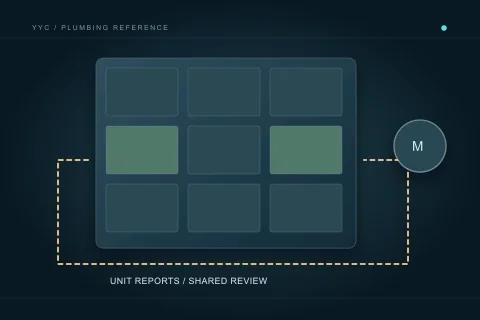
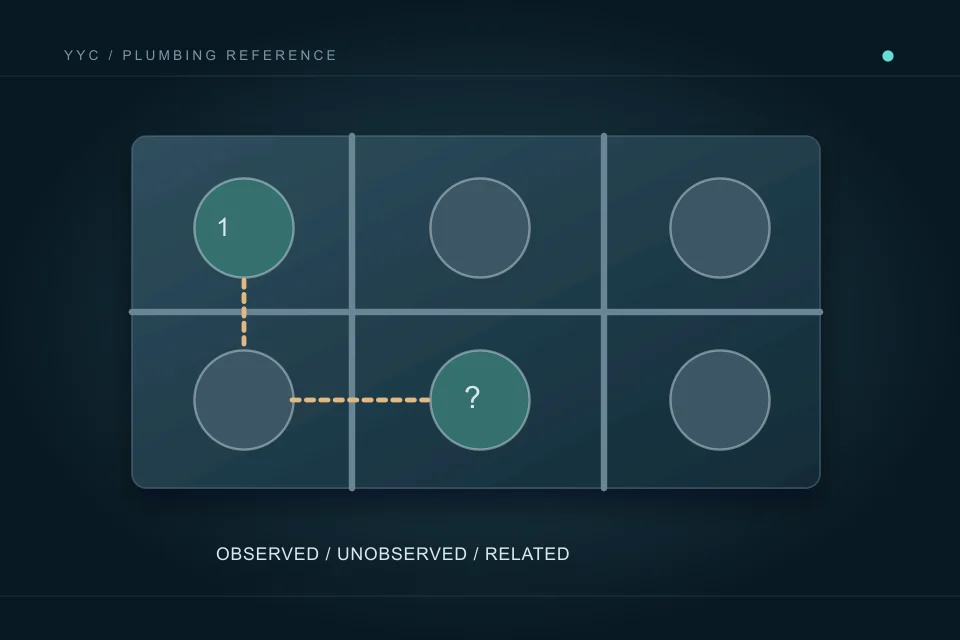
List affected fixtures with room and level, the type of symptom and its start time. Distinguish supply from drainage and hot from cold where safe ordinary observations allow it. Mark unobserved fixtures as unknown rather than unaffected. A short table or note can communicate scope better than a long description that mixes several unrelated concerns.
Do not repeatedly use a blocked or leaking fixture to complete the map. Safety and damage control take priority over having a full set of comparisons. If one fixture reacts when another operates, record that relationship without forcing it to happen again. The pattern is evidence for review, not a confirmed location of a blockage or failed supply component.
Describe a genuinely local observation
A drip at one outlet, a changed handle action or a single appliance symptom may justify a focused fixture assessment. Record the actual product, recent work and whether nearby fixtures have a similar issue. Do not choose a component from an internet photograph or assume that every symptom at the fixture originates inside it.
Ask what finding supports a local repair and what the proposed work is intended to resolve. An assessment can identify compatible parts, access and limitations. If replacement is proposed, compare the complete installation scope rather than only retail product price. The objective is a justified boundary, not a promise that a small repair is always possible.
Describe branch and property patterns carefully
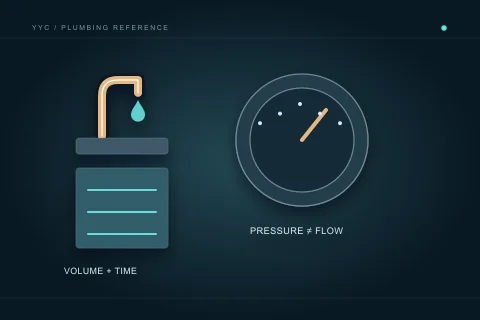
Several affected fixtures may share a route, device or service circumstance, but the actual arrangement can be concealed. Tell the reviewer which rooms and levels are involved, timing and related work. Calgary’s pressure guidance provides context for supply questions. Observed flow and pressure differ; one container measurement does not identify the wider system condition.
For drainage, multiple-fixture backup needs the appropriate direct response rather than repeated household testing. Contact the City or building service as relevant, using Calgary’s backup guidance for local enquiry context. A wide pattern does not automatically establish utility responsibility or justify excavation. The qualified assessment must establish the actual work boundary.
Ask the contractor to explain the proposed boundary
Request a plain-language explanation of what will be assessed, which retained systems are outside review and what evidence would support a larger recommendation. A staged investigation can be appropriate when access is limited, but each stage needs a deliverable and decision process. Do not let “check everything” stand in for an understandable scope.
If the findings change the work, ask for the affected areas, approvals, access, price and restoration consequences in writing. Calgary’s permit guidance distinguishes limited repair from altered plumbing. The actual proposed work matters more than a label such as fixture, branch or main. A clear commercial approval should accompany qualified technical review.
Carry the map into follow-up
Retain the original pattern, assessment finding and work description. Record which observations changed after ordinary use resumed and what remains unresolved. A successful local repair does not certify every retained branch; a larger installation does not prove an unrelated future symptom has the same cause. Keep the assessed boundary visible in the property file.
For a YYCPlumber request, identify the decision needed and attach concise safe observations. A person reviews requests; the site does not certify hidden routing, select a replacement from the map or guarantee attendance. The map is valuable because it gives the next reviewer a coherent starting point and preserves uncertainty instead of disguising guesses as technical findings.
Include an “unknown” entry where a fixture was not observed. A blank should not become evidence that the wider system is unaffected, especially when unsafe conditions made additional observations inappropriate.
Questions people ask
Does one affected fixture prove the problem is inside it?
No. It is a local observation that guides assessment. The actual connection and system still need review.
Do several symptoms justify replacing the whole system?
Not by themselves. Ask for findings supporting the proposed boundary and alternatives before approving a larger scope.
Should I test every fixture to fill the table?
No. Use safe existing observations and mark unknowns. Do not recreate leakage or send more water into a backup.
What should the contractor’s report explain?
The assessed scope, findings, retained or unassessed work, proposed action and limitations, with access and approval consequences where relevant.
Sources and further reading
- Water pressure in Calgary ↗ · City of Calgary. Checked 2026-10-02.
- Sewage backups ↗ · City of Calgary. Checked 2026-10-02.
- Homeowner electrical and plumbing permits ↗ · City of Calgary. Checked 2026-10-02.
- Hiring a contractor ↗ · Government of Alberta. Checked 2026-10-02.
Confirm the current requirements with the responsible authority for the actual address and work. This reference does not replace site assessment or an official decision.