Planning tool / symptoms
Symptom next-step guide
Use the issue, affected area and safety conditions to choose a sensible next step.
Open the toolHAUSE / Calgary / Plumbing
A practical reference for Calgary plumbing symptoms, urgent conditions and written repair scopes. A person reviews requests; this site is not a contractor or an emergency dispatch service.
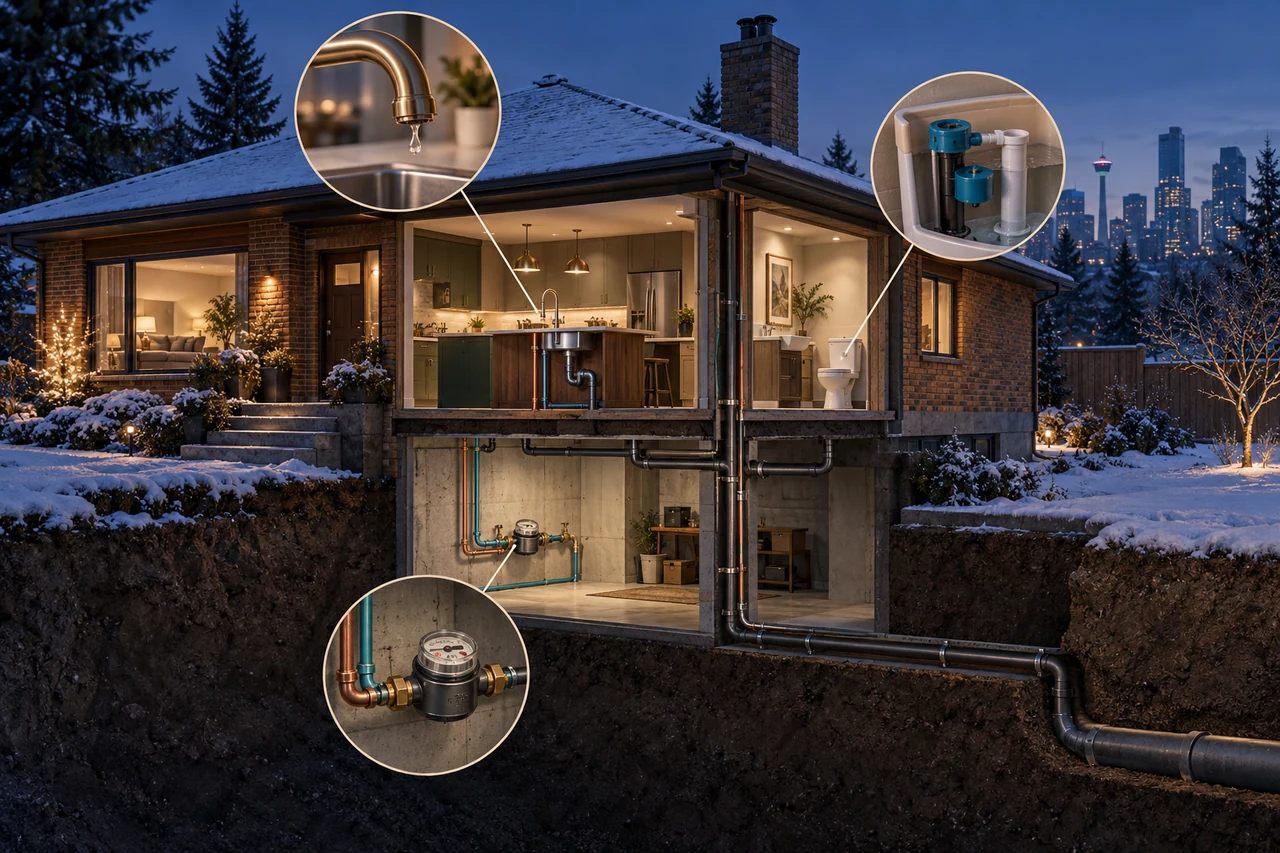
Record which fixtures are affected, whether the issue is active and what changed. An observation prepares the request; it does not establish the hidden cause.
Unsafe standing water, sewage, suspected gas or damage near electrical equipment need the appropriate immediate channel. This reference is not an emergency dispatch service.
For a rental, condo or shared system, identify the owner, property manager or board that authorizes access and work. A private fixture and a common service have different boundaries.
Location, access, symptom extent, records, permit responsibility and restoration affect the assessment. Use the brief to collect them before comparing a repair or replacement scope.
The complete picture
Describe the symptom. Choose the next step. Start with the system, property and actual authority, then work through the decisions that change the project.
Separate safe observations from assumptions about the fault.
02 / 4 articlesRecognize conditions needing immediate direct help.
03 / 4 articlesOwnership, access and responsibility change the response.
04 / 6 articlesPrepare a clear brief and compare a written scope.
Calgary / Context matters
A practical reference for Calgary plumbing symptoms, urgent conditions and written repair scopes. A person reviews requests; this site is not a contractor or an emergency dispatch service.
Record where, when and which fixtures are affected.
Danger and active damage need direct help, not a web-form wait.
Compare the finding, proposed repair and exclusions.
Measure. Record. Compare.
Use your observations and entered amounts. These tools organise a planning brief; they do not diagnose a hidden fault, choose equipment or approve regulated work.
Planning tool / symptoms
Use the issue, affected area and safety conditions to choose a sensible next step.
Open the toolPlanning tool / flow
Turn a safe litres-and-seconds observation into a flow rate you can record.
Open the toolPlanning tool / leak
Estimate daily and 30-day water use from a small, safely observed drip.
Open the toolPlanning tool / quote
Review the amount and key scope details in a plumbing quotation.
Open the toolInside the library
26 focused guides cover the work, decisions and property context. Read a focused topic or search the complete library.
 Absence and return
A vacant property can have incomplete observation history, changed service arrangements and equipment that has not been used recently. Do not assume that the absence of a reported leak means the system was monitored or that returning occupants can restore every control themselves. Establish a responsible contact, safe access and the actual condition. This reference prepares a qualified review without supplying winterization, thawing or equipment-startup instructions.
 An evidence-based history
An older home may contain original work, later repairs and several renovation stages. The age of the building does not establish the age or condition of every pipe. Start with known materials, actual symptoms and available records, marking uncertainty honestly. A qualified assessment should explain what evidence supports repair, further investigation or replacement. Avoid both blanket reassurance and an automatic recommendation to replace everything.
 Scope from observations
A symptom’s extent helps define the assessment question, but it does not identify the failed component. One faucet, every fixture in a room and an entire property are different patterns. Map what you can safely observe and preserve what remains unknown. This approach helps keep a small repair from becoming an automatic system replacement, while also avoiding a fixture-only response to a wider concern.
 Rental context
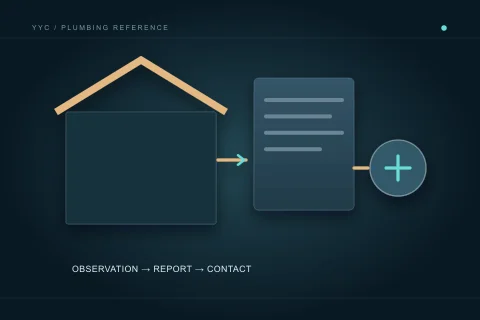
A tenant’s useful first steps are to recognize urgency, notify the responsible maintenance contact and preserve an accurate record. A renter should not have to diagnose hidden piping to make a valid report. Responsibility and remedies depend on the actual arrangement and applicable law; use Alberta’s official tenancy information for those questions. This reference organizes communication and safe observations without providing legal deadlines or advising rent withholding.
 Shared-building context
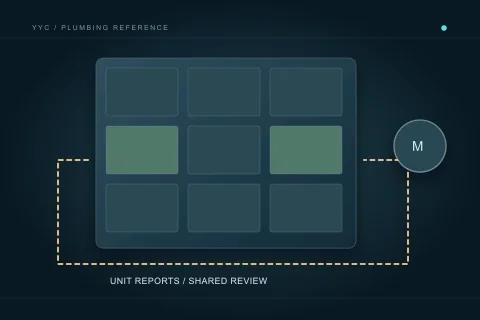
A plumbing symptom inside a condominium unit can involve a fixture, unit piping or a shared route. The location alone does not decide responsibility. Describe the pattern, recognize urgency and notify the manager through the building’s process. Keep authorization, assessment and permanent work separate. This reference does not interpret condominium documents or declare that every component inside a unit is private.
 Water observations
Cloudiness, colour and particles are different observations, and one fixture’s hot-water appearance can differ from cold water throughout a property. Begin with the extent, timing and current official information. Calgary explains several common circumstances, but a general explanation does not certify every unfamiliar case. Use 311 for the actual utility-water question and qualified service for relevant household equipment.
Describe the location, symptoms or proposed work. A person reviews the brief; any referral or contractor arrangement is a separate step with your agreement.