Make a timeline of known work
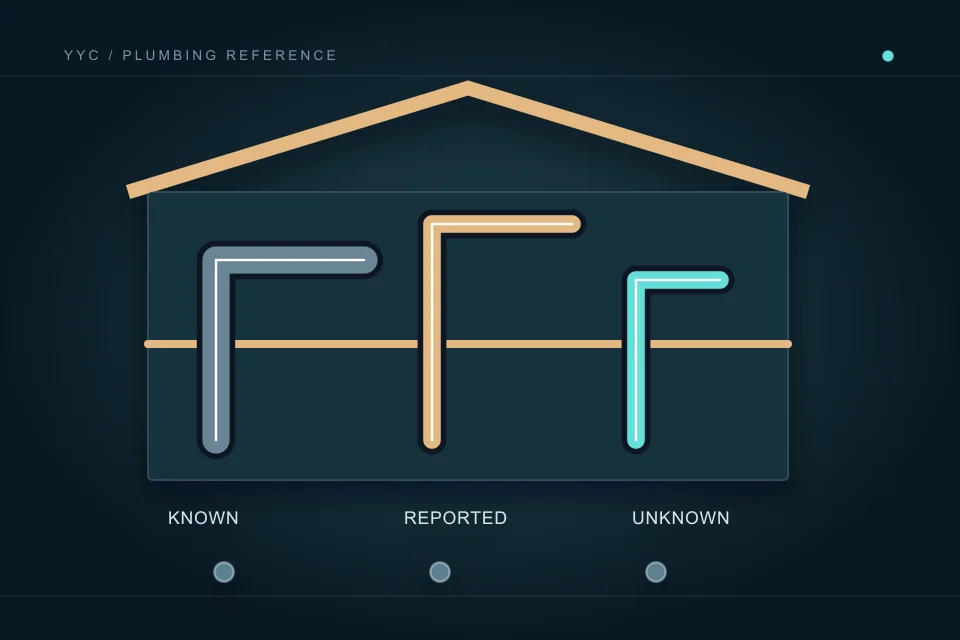
Gather invoices, permit results, renovation plans and product records. Note the date and boundary of each known repair or replacement. A bathroom renovation may have changed only visible connections while retaining wider systems. An old advertisement saying “updated plumbing” is not a complete installation record. Mark claims without supporting documents as unconfirmed.
Ask previous owners or managers for useful records where practical, but keep recollections distinct from actual findings. The objective is not a perfect history before any help can be requested. A short timeline with known work and unknown areas lets the qualified reviewer plan assessment without assuming either that everything is original or that every system was renewed.
Identify safe observations without material diagnoses
If accessible piping or labels can be photographed safely, provide room context and the image. Do not open finishes or disturb insulation to identify materials for a form. Appearance alone can be misleading, especially where mixed systems or coatings are present. Ask the qualified reviewer what can be confirmed and whether further access is justified.
A material name should not automatically become a condition claim, price estimate or replacement instruction. The actual system, connections, use and findings matter. Keep the supplied observation separate from a technical identification and the proposed work. This allows a recommendation to be reviewed on evidence rather than fear associated with a building’s age or a pipe’s colour.
Separate current patterns from general upgrade wishes
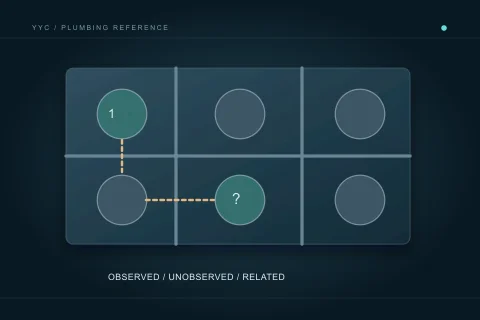
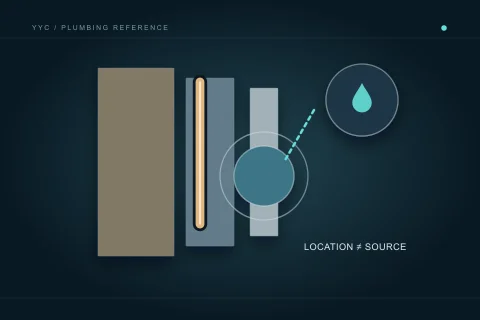
Describe leaks, drainage, delivery or other concerns with affected fixtures and timing. Note whether they recur and what prior work changed. A desired renovation and a current fault can overlap but still need separate scopes. Do not promise that a new fixture or branch automatically resolves an unassessed wider issue.
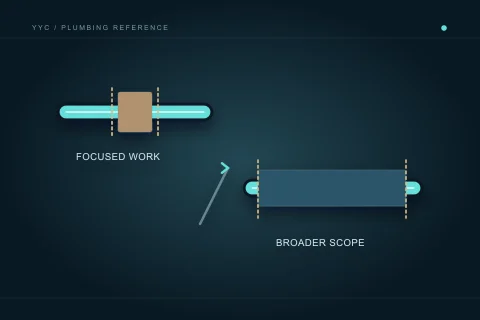
For active unsafe conditions, use the direct urgency process rather than wait to complete a historical review. For planned work, a symptom map can help define a focused assessment. Ask what finding would support a larger replacement boundary and what alternatives remain. A clear question is more useful than asking the contractor to “modernize everything” without agreed deliverables.
Plan investigation around retained finishes
Ask what can be assessed through current access, what remains concealed and what opening is proposed if needed. Identify authorization and reinstatement before destructive work expands. Structural, hazardous-material or other building questions belong with the appropriate professionals; this reference supplies no demolition or material-handling instructions. Keep those interfaces visible in the programme.
Calgary’s homeowner guidance has specific limits for concealed plumbing with missing permits. Provide records or uncertainty honestly and ask the contractor and authority what process applies to the actual proposed alteration. Do not hide unresolved work behind new finishes or interpret a contractor’s visit as approval of every concealed component in the property.
Compare defined repair and replacement scopes
Ask the recommendation to state findings, affected system, retained work, access and limitations. Compare a repair, staged replacement or broader installation by what each is intended to resolve. A lower price can exclude assessment or restoration; a larger scope can include discretionary upgrades. Use actual written proposals rather than assumed market prices for an “old-house repipe.”
Clarify permits, tests, inspections and finish work for the chosen option. Alberta’s contractor guidance supports clear contracts and approved changes. Preserve uncertainty where access remains limited, while defining how findings will be reported and approved. A contingency is a commercial tool, not permission for unlimited replacement of every discovered component.
Create the record the home was missing
Retain actual work descriptions, route photographs while accessible, product information, permit results and approved changes. Mark retained or unassessed systems distinctly. Future owners should not have to infer the scope from one invoice line or a photograph of a finished room. Keep outstanding recommendations and service contacts with the file.
For a YYCPlumber request, give the symptom, known history and decision you need help preparing. The site does not certify older materials, endorse a contractor or guarantee attendance. A useful brief respects uncertainty and makes a professional review more focused. Age remains context, while actual findings and agreed boundaries support the permanent work decision.
A simple room-and-date map can show confirmed work, reported work and unknown areas in separate notes. This prevents a later renovation from interpreting one updated bathroom as evidence that every branch and service was renewed.
Questions people ask
Does the building’s age identify every pipe’s age?
No. Repairs and renovation stages may have changed different sections. Use records and qualified assessment rather than assume a uniform system.
Should all old piping be replaced automatically?
No recommendation is made from age alone. Ask for findings and a rationale connected to the actual work boundary and alternatives.
Can I open finishes to identify materials for the request?
Do not disturb finishes or suspect materials for a form. Provide safe observations and agree any needed investigation through the proper professional process.
What record should a new repair leave?
Exact work boundary, findings, actual products or routes, approvals, retained work and limitations, with access and restoration documented.
Sources and further reading
- Homeowner electrical and plumbing permits ↗ · City of Calgary. Checked 2026-10-02.
- Hiring a contractor ↗ · Government of Alberta. Checked 2026-10-02.
- Hiring a contractor ↗ · City of Calgary. Checked 2026-10-02.
- Plumbing codes and standards ↗ · Government of Alberta. Checked 2026-10-02.
Confirm the current requirements with the responsible authority for the actual address and work. This reference does not replace site assessment or an official decision.