Record the visible condition consistently
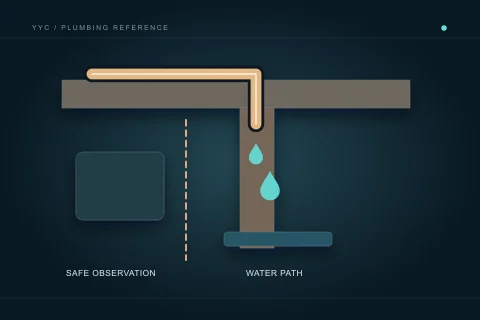
Identify the room, level and surface, with a safe overall photograph and a closer image if available. Record whether the area feels damp only if it can be observed without unsafe access; do not touch suspect electrical equipment or stand beneath a sagging ceiling. Note the date, approximate extent and whether it is changing. A short record over time can be more informative than a dramatic one-off description.
Do not paint over or cover the evidence before the responsible party has reviewed it. At the same time, avoid disturbing materials to expose a supposed source yourself. If water is active or the area is unsafe, use the urgency process. A planning record should never delay direct help for worsening leakage, flooding or other life-safety conditions.
Connect observations to events without declaring a cause
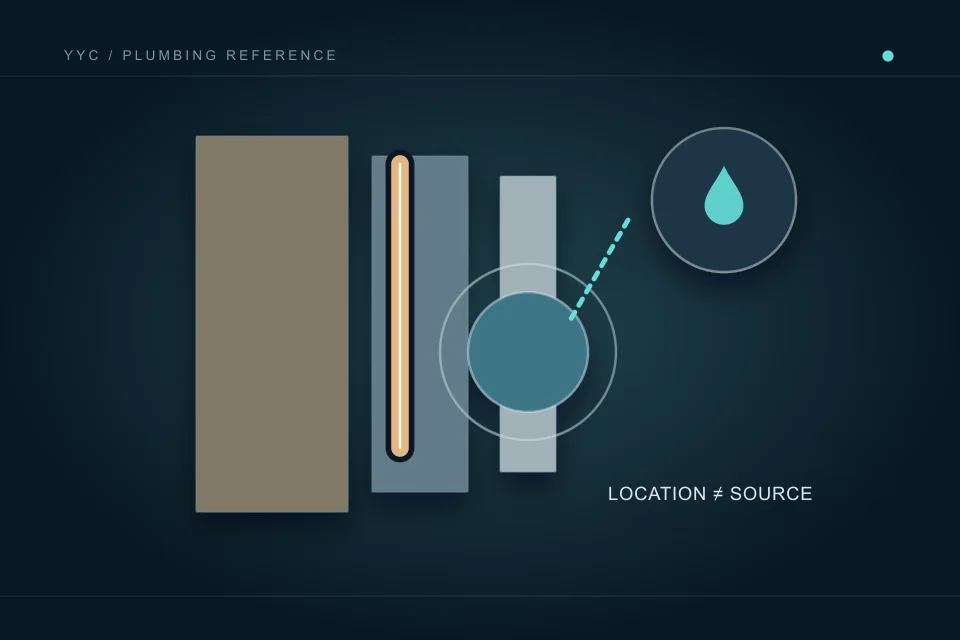
Note fixture use, rain, snow melt, heating or cooling conditions and recent work around the time moisture appears. A mark below a bathroom may relate to plumbing, exterior water or another route; location alone is not enough. Describe whether the symptom occurs after a particular use without repeatedly recreating a leak.
Record whether the condition remains when fixtures are unused and whether nearby rooms show related symptoms. Separate “I observed” from “someone suggested.” Give the assessor relevant previous repair reports rather than only the latest photograph. This helps define what investigation is needed and prevents a speculative cause from becoming the assumed scope of a repair quotation.
Treat meter information as one piece of evidence
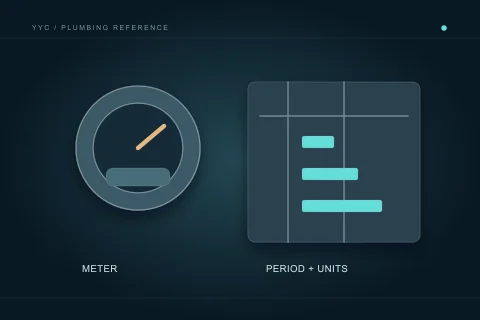
An unexplained consumption change can be relevant, but household use, billing periods and installed equipment also matter. Gather the period, measured units and changes in occupancy or use before assuming a hidden leak. The City’s meter information explains the metered system and contact route for meter concerns. Do not tamper with a meter or inaccessible service equipment.
If a safe, ordinary observation suggests water use while known uses are stopped, record the conditions and time for review. That observation does not locate the source or certify that every automatic use has stopped. A small drip worksheet estimates only the supplied rate; it cannot convert an unexplained bill into a diagnosis. Ask the assessor what additional evidence is needed.
Agree on investigation before approving openings
Ask what the first assessment includes, what can be reviewed without opening finishes and what remains uncertain. If access is proposed, identify the location, size in general scope terms, authorization and who will restore the finish. A contractor may need staged access, but the owner should understand the decision and commercial consequences before permanent openings expand.
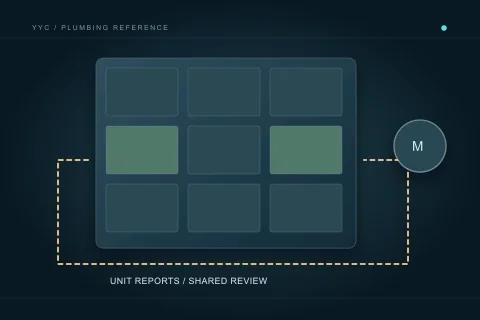
In a rental or condominium, notify the responsible party and establish approval for shared or concealed systems. One unit’s stain may originate elsewhere. Record who arranges access to adjacent areas and communicates with other occupants. Do not commission destructive work in common property merely because it appears to be the shortest route from the visible mark.
Request a finding that supports the repair
The assessment should distinguish confirmed leakage, likely but unconfirmed causes and observations needing another trade or specialist. Ask for the connection between the evidence and the proposed work. A broad replacement recommendation deserves a defined boundary and rationale. The visible wet area, the pipe repair and damage restoration may be three different scopes.
Calgary lists limited leak repair separately from new construction, extension and alteration in its permit guidance. Have any expanded scope reviewed accordingly. Use written changes for additional access or replacement, identifying price and programme effects. Do not let an investigation allowance become undocumented permission for every possible improvement behind the wall.
Retain the investigation and restoration record
Keep photographs, the assessment, work description, approved changes and any inspection results. Ask what has been repaired, what remains uncertain and what follow-up is recommended. If drying or contamination work is outside the plumber’s scope, identify the responsible party separately. Stopping visible water does not certify concealed materials are dry or safe to close.
For a later request, explain the original evidence and the work already performed so the next reviewer does not repeat an unhelpful assumption. State the decision you still need: locating, repair scope, restoration coordination or comparison of options. YYCPlumber provides reference information and human-reviewed requests; it cannot certify a concealed system from uploaded images.
Questions people ask
Does a ceiling stain prove the bathroom above is leaking?
No. Water can travel, and other moisture sources may be relevant. Document the pattern and have the source assessed before treating a location as a diagnosis.
Can my bill identify a hidden pipe leak?
A change can support an enquiry, but usage and billing context matter. It does not identify a location or prove that plumbing is the cause.
Who should approve investigation in a condo?
Use the manager and applicable unit/common-property process. Clarify access and responsibility before destructive work on shared systems.
Does the plumber normally restore every opened finish?
Only if the agreed scope includes it. Identify assessment, plumbing repair, moisture work and decorative reinstatement as separate responsibilities.
Sources and further reading
- Water meters ↗ · City of Calgary. Checked 2026-10-02.
- Homeowner electrical and plumbing permits ↗ · City of Calgary. Checked 2026-10-02.
- Basement flooding and seepage ↗ · City of Calgary. Checked 2026-10-02.
- Hiring a contractor ↗ · Government of Alberta. Checked 2026-10-02.
Confirm the current requirements with the responsible authority for the actual address and work. This reference does not replace site assessment or an official decision.