Define the problem and the desired outcome
Write the original symptom with affected fixtures, timing and previous actions. Distinguish fixing that issue from improving appearance, adding capacity or renovating a room. Those objectives can be combined, but they should not be hidden inside one vague recommendation. A replacement may serve an upgrade preference even when the confirmed repair would be smaller.
Ask the assessor what was reviewed and what remains uncertain. A service visit limited to one fixture does not establish the whole system’s condition. A report saying “old pipes” should explain the actual observation and relevance to the proposed work. Keep the objective, evidence and scope linked so the owner can assess the recommendation without choosing technical design.
Understand the proposed repair boundary
Identify the component or section, compatible parts, access and expected limitation. Ask whether the repair addresses a confirmed finding or is an investigative stage. A focused repair can be appropriate, but it should not promise to prevent every future symptom in retained work. Product availability and installed condition may affect the option.
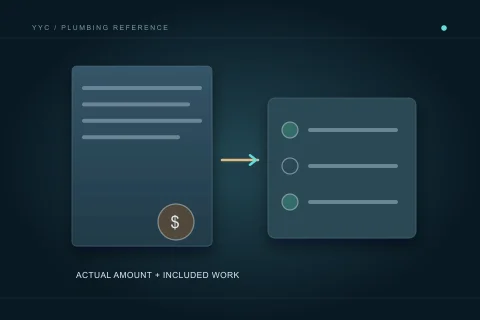
Record what assessment is included and what happens if access reveals a different condition. A small quoted amount can exclude access, restoration or additional attendance. Ask for those responsibilities before comparing totals. The owner should understand the deliverable and follow-up, while qualified parties determine technical methods and suitability for the actual system.
Understand what is replaced and retained
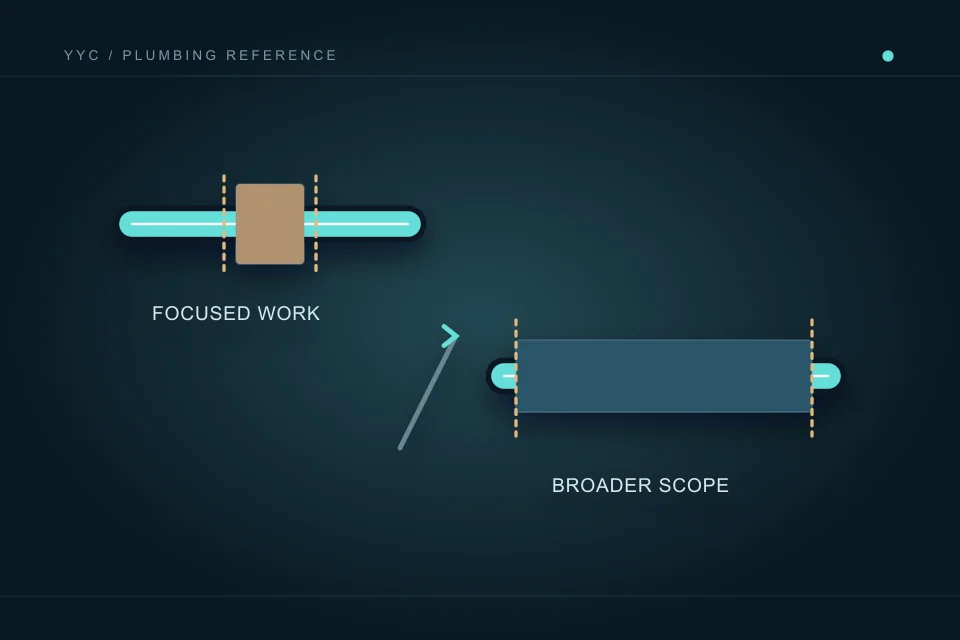
A replacement proposal should identify its start and end, actual products or systems and the reason for that boundary. “Replace plumbing” is not enough to establish whether the work concerns a fixture, branch, interior distribution or service line. Mark retained and unassessed areas. A larger scope is not automatically a complete system assessment or a guarantee of permanent trouble-free use.
Ask how the recommendation relates to the original symptom and what alternatives were considered. Cosmetic preferences, future plans and assessed defects are different reasons. Keep them visible. For a product replacement, compare compatibility, accessories, removal and testing. For wider pipe work, identify access, approvals and finish reinstatement before treating the proposed amount as a whole-project budget.
Compare access, disruption and responsibilities
List rooms affected, planned interruptions, occupant restrictions and the parties who restore finishes. A broader installation can create work outside the symptom’s original room. In a rental or condominium, clarify authorization and shared-system responsibilities. Ownership should not be inferred from the visible location, and an owner’s commercial approval may not authorize common-property alterations.
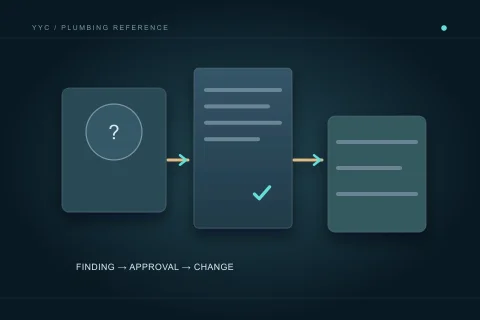
Ask how unknown conditions are handled through staged findings and written changes. Alberta’s guidance supports approved changes with clear scope and payment terms. Avoid treating contingency as a reason to skip decisions. An understandable process can allow work to proceed efficiently while preserving the owner’s review of material changes.
Keep acceptance evidence explicit
Calgary’s permit guidance distinguishes some limited repairs from construction, extension and alteration. Have each option’s actual scope reviewed. Identify applicant, inspection responsibility, testing and results. A repair label should not hide altered plumbing, while a replacement label should not imply every building or property approval is included.
Ask what evidence demonstrates completion: a work description, applicable results, product information and the original symptom’s ordinary-use outcome. A single successful observation does not certify every retained component. Product warranty, labour commitments and service arrangements are separate. Compare their actual terms and responsible parties without assuming a familiar brand establishes the whole installation guarantee.
Record why the selected option fits
Keep the findings, compared options, accepted scope and approved changes. State what the chosen work is intended to resolve, what remains excluded and what follow-up is recommended. That record helps later service distinguish a recurrence, retained-system issue and unrelated new symptom. It also prevents an early verbal recommendation from becoming the only evidence for substantial work.
A YYCPlumber request can help organize comparison questions, but the site does not select a contractor, approve a contract or diagnose hidden piping. Provide the actual proposals and unresolved decision, with unnecessary personal details removed. A person-reviewed brief supports the next conversation while leaving technical assessment and commercial acceptance with the responsible parties.
For each option, write the intended outcome, retained work and remaining uncertainty in separate lines. If those lines are identical but the proposed boundaries differ greatly, ask the assessor to explain the difference before deciding from the total alone.
Questions people ask
Is replacement always better after a recurring symptom?
No. Ask what findings explain recurrence and support the proposed boundary. Different options may have different objectives and limitations.
Does a repair quote include restoration?
Only if stated. Compare access, plumbing, reinstatement, approvals and follow-up as complete responsibilities.
Can the site choose the contractor or option for me?
No. It provides reference information and human-reviewed requests, not technical certification, contractor ranking or contract approval.
What should the accepted record say?
The assessed finding, chosen work boundary, intended outcome, actual products, access, approvals, exclusions, price and change process.
Sources and further reading
- Hiring a contractor ↗ · Government of Alberta. Checked 2026-10-02.
- Homeowner electrical and plumbing permits ↗ · City of Calgary. Checked 2026-10-02.
- Hiring a contractor ↗ · City of Calgary. Checked 2026-10-02.
Confirm the current requirements with the responsible authority for the actual address and work. This reference does not replace site assessment or an official decision.