Identify why the change is needed
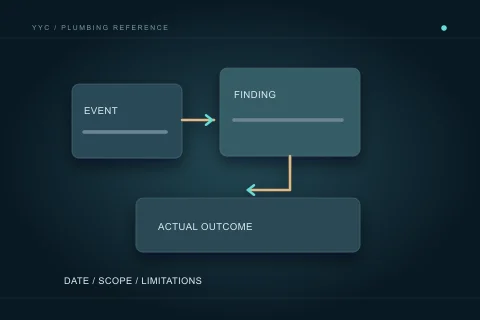
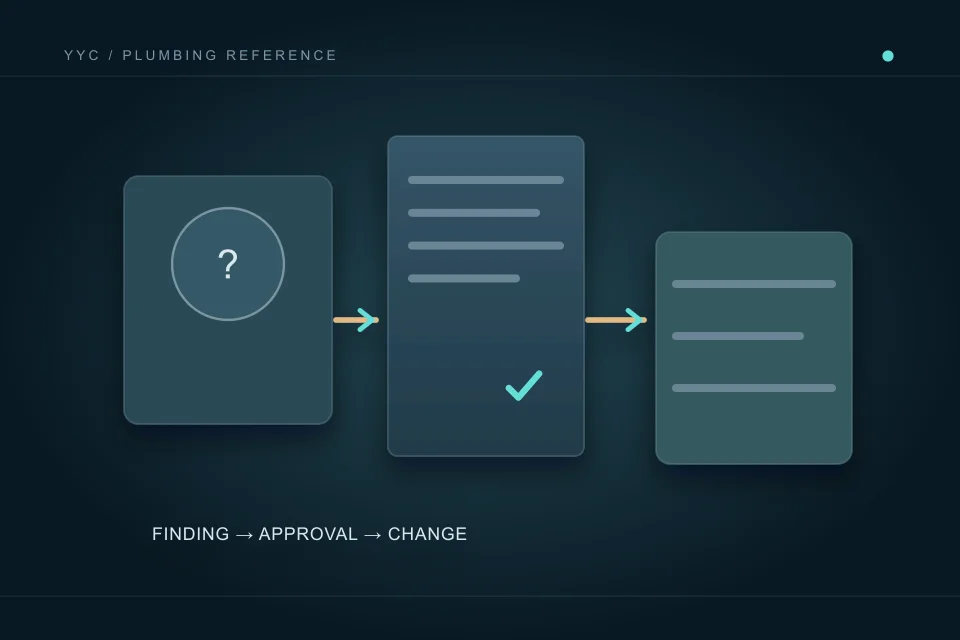
State whether the trigger is an unexpected condition, revised layout, substituted product or owner-requested upgrade. These reasons have different relationships to the original scope. Ask for a plain-language finding and relevant safe evidence. A photograph can help explain a discovery, but it does not by itself establish the technical solution or complete replacement boundary.
Keep urgent control actions distinct from later permanent work. Direct response may be needed to manage an active condition; that does not automatically authorize every discretionary improvement. Record what was already agreed and what new decision is requested. The change should explain the connection to the project objective instead of relying on urgency or frustration to bypass review.
Ask for the proposed action and alternatives
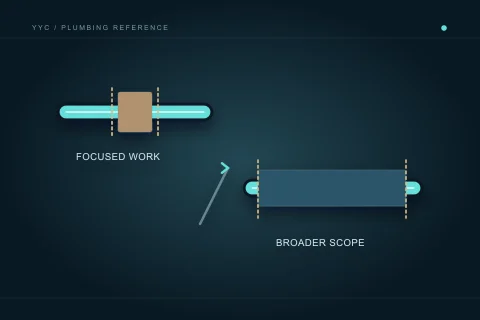
Identify the affected fixtures or systems, work boundary and retained components. Ask what each option is intended to resolve and what limitation remains. The owner does not need to choose pipe sizing or technical methods to understand the practical choices. A professional explanation should allow comparison of access, disruption and deliverables without presenting an unsupported guarantee.
Separate work required for the planned installation from optional upgrades or broader improvements. If only one option is viable, ask why through the qualified review. A statement such as “must replace everything” should have an understandable basis and boundary. Preserve uncertainty where further investigation is needed rather than convert a provisional possibility into a confirmed defect.
Include access and other-trade effects
Record additional openings, rooms affected, service interruptions and finish restoration. A changed pipe route can involve cabinetry, framing, electrical or other building interfaces. Name the responsible parties. The plumbing component alone may be a small part of the practical project consequence, so do not approve only a product line while assuming every surrounding task is included.
For shared or managed property, ask whether revised authorization or access is required. Unit approval may not cover a changed common-system route. The owner’s commercial signature is not technical approval of structural or other regulated work. Keep the qualified professionals and property process involved where the change affects their scope.
Review permit and inspection consequences
Calgary’s permit guidance distinguishes limited repairs from altered plumbing. Have the actual changed scope reviewed rather than use the original project label to decide. Ask whether permit information, inspection timing or closure needs revision. An earlier result may not establish approval of substantially changed work.
Name who communicates with the authority, books relevant attendance and retains results. Do not close work simply to preserve an old finish date when review or corrections remain. The programme needs an understandable revised sequence. A planned inspection is information about scheduling, not evidence that the changed installation has already been accepted.
Make price and timing explicit
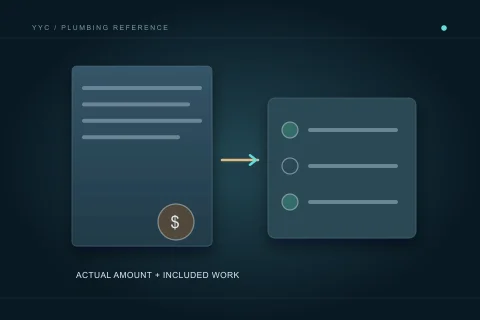
The change record should state the actual proposed amount, assumptions, payment effects and programme consequences. Alberta’s contractor guidance supports written changes approved by the parties. Record exclusions and any provisional work that still needs a later decision. A contingency can fund uncertainty without replacing the owner’s agreed approval process.
If an item remains uncertain, state how its scope or amount will be determined and when work pauses for approval. Do not compare the addition with an invented standard price for an unknown job. Ask how it relates to the original agreement and whether any superseded work or product allowance is credited or removed. Clear arithmetic and scope are more useful than a hurried verbal total.
Keep the accepted change in the final file
Save the finding, approved scope, actual amount, date and responsible parties with the original agreement. Update fixture schedules and route records where relevant. Superseded drawings should remain identifiable so another trade does not use the wrong version. At handover, reconcile the changes with what was installed and any outstanding work.
If a disagreement or later symptom occurs, the record supports the appropriate review without proving liability by itself. Use official consumer information or advice for legal questions. A YYCPlumber request can help organize comparison questions, but the site does not authorize work, approve contracts or guarantee contractor attendance. The change stays reviewable because its evidence and consequences remain connected.
Questions people ask
Does a contingency authorize any extra work?
No automatic authorization is implied. Use the agreed change process to identify findings, scope, amount and approval.
Can an emergency visit approve all later improvements?
Immediate control and later permanent or optional work are different decisions. Record their scope and authorization distinctly.
Should changes include restoration?
Yes, identify the effect and responsible party even if restoration is excluded from the plumber’s price. The whole consequence needs to be understood.
What if technical requirements change?
Have the responsible qualified party and authority review the actual scope and approval process. The owner’s commercial approval does not substitute for that review.
Sources and further reading
- Hiring a contractor ↗ · Government of Alberta. Checked 2026-10-02.
- Homeowner electrical and plumbing permits ↗ · City of Calgary. Checked 2026-10-02.
- Hiring a contractor ↗ · City of Calgary. Checked 2026-10-02.
Confirm the current requirements with the responsible authority for the actual address and work. This reference does not replace site assessment or an official decision.