Describe the appearance without a diagnosis
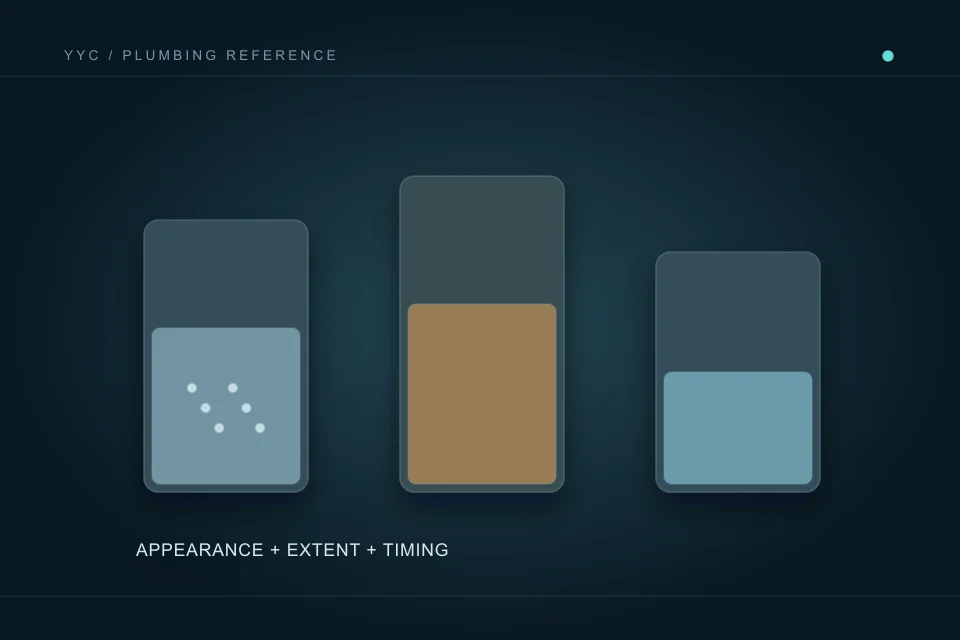
State whether you see cloudiness, a colour change or particles, and identify the affected outlets. Distinguish hot and cold when ordinary safe observation is available. Record when the change began, whether it remains consistent and any notice or work nearby. Avoid declaring contamination, corrosion or a failed heater from a photograph alone.
Photographs can document an observation but are sensitive to lighting and the container. Keep the overall fixture context and the date with any image. Do not introduce a substance into the water or dismantle a connection to obtain a sample for this form. If the condition is unfamiliar, follow the appropriate official enquiry rather than use an online guess as assurance.
Use current Calgary information
The City’s water taste, odour and appearance guidance discusses examples including air-related cloudiness and sediment associated with system work. Those examples can explain possibilities, not determine the actual event from an image. Check current notices relevant to the property and contact 311 with the timing and extent when utility water quality is the concern.
Record the notice or enquiry reference and instructions received. A past explanation for another neighbourhood is not necessarily applicable now. Do not present a cleared glass or a common seasonal condition as proof of safety for all uses. Specific advice should come from the current responsible authority for the actual concern, especially if the observation is different from the published examples.
Separate one outlet from the wider supply
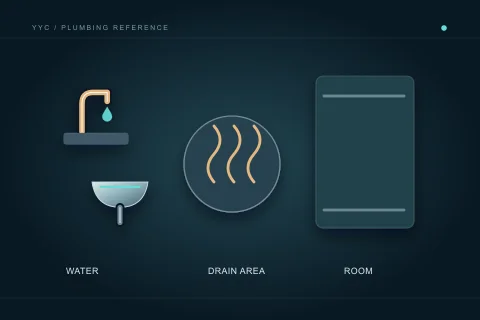
Tell the reviewer whether other fixtures show the same observation and whether only hot water is involved. A local pattern can point to a different assessment question from a property-wide cold-water change, but it still does not identify a defective component. Use safe observations already available rather than repeatedly running fixtures into a blocked or otherwise unsafe system.
In a condominium or rental, notify the manager or maintenance contact and ask whether other units are affected. Record their observations as reported information. The visible location does not establish ownership or responsibility. Shared supply and installed equipment may require coordinated access, so keep the building process visible rather than order a unit-level alteration before the scope is understood.
Gather relevant installation and service history
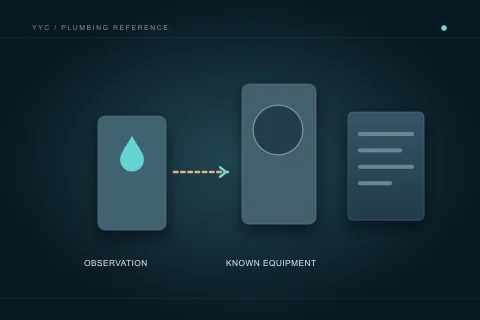
Note recent interruptions, plumbing alterations, equipment service or a period of vacancy. Include known treatment products and accessible model information from existing documents, without adjusting or bypassing them. A device label identifies the product but does not establish its condition. Give the reviewer prior reports so the assessment can distinguish new changes from a recurring observation.
Older piping or a recently installed fixture can be relevant context without proving the cause. Avoid a blanket replacement decision based solely on age or water colour. Ask what evidence would support assessment of a particular branch, appliance or service component. Separate the utility enquiry, household investigation and optional product improvements in the proposed scope.
Avoid treating unknown appearance with a generic product
This reference does not recommend chemical treatment, filter selection, boiling or appliance adjustment for an unidentified condition. A product marketed for one water issue may not answer another. Ask the appropriate authority or qualified reviewer what the actual question is before purchasing a remedy. Keep any specific official notice and instructions separate from ordinary marketing information.
If a household installation is recommended, request the assessed rationale, actual product, protection requirements and maintenance obligations. Calgary’s cross-connection programme may be relevant to added equipment. Do not assume a new device certifies water quality or removes every future concern. Compare a complete qualified installation scope, including access, approvals and follow-up, rather than a retail product alone.
Keep a dated record for follow-up
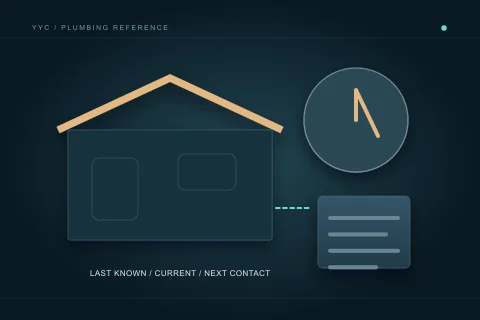
Save the observations, current notice or enquiry reference, service history and any finding. Record what was done and whether the original pattern changed under ordinary use. An inconclusive observation should remain inconclusive rather than become a claim that the whole supply is defective or safe. Ask which contact handles further changes and what information is useful.
A YYCPlumber request can organize a household review after appropriate direct enquiries. State the affected outlets, hot/cold distinction, timing and decision needed. The site does not test or certify drinking water, select a treatment design from images or guarantee attendance. A person-reviewed brief is useful because it preserves the facts and remaining question, not because it provides a remote assurance.
Questions people ask
Does cloudy water always mean contamination?
No single conclusion follows from cloudiness. Calgary explains common examples, but use current official information and 311 for the actual unfamiliar concern.
Can a photograph establish whether water is safe?
No. Lighting, container and the observation itself cannot certify safety. Follow the responsible authority’s current advice for the specific situation.
Should I buy a filter before asking about the condition?
First clarify the issue through the appropriate enquiry. A generic product may not address the actual concern or installation requirements.
What facts are useful to the reviewer?
Affected outlets, hot/cold distinction, timing, current notices, recent work, known equipment and any previous enquiry reference.
Sources and further reading
- Drinking water — Taste, odour and appearance ↗ · City of Calgary. Checked 2026-10-02.
- Cross Connection Control Program ↗ · City of Calgary. Checked 2026-10-02.
- Hiring a contractor ↗ · Government of Alberta. Checked 2026-10-02.
Confirm the current requirements with the responsible authority for the actual address and work. This reference does not replace site assessment or an official decision.