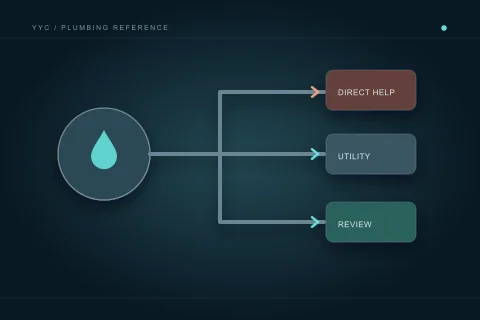
Use the appropriate direct response first
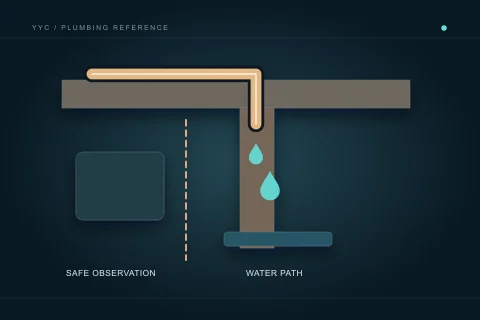
If active flooding, sewage or unsafe equipment is involved, keep people away from the area and use the property’s emergency and applicable direct-response process. Life-safety concerns take priority over routine correspondence. Calgary’s flooding guidance identifies important emergency conditions. Do not enter standing water or dismantle equipment while trying to provide a more detailed maintenance report.
Tell the landlord or designated contact whether the condition is continuing and what fixtures or areas are affected. Avoid repeatedly using an overflowing fixture. Record the current time and direct contacts used. An online reference request cannot dispatch a guaranteed emergency visit or replace the building’s emergency service arrangement while damage or unsafe conditions continue.
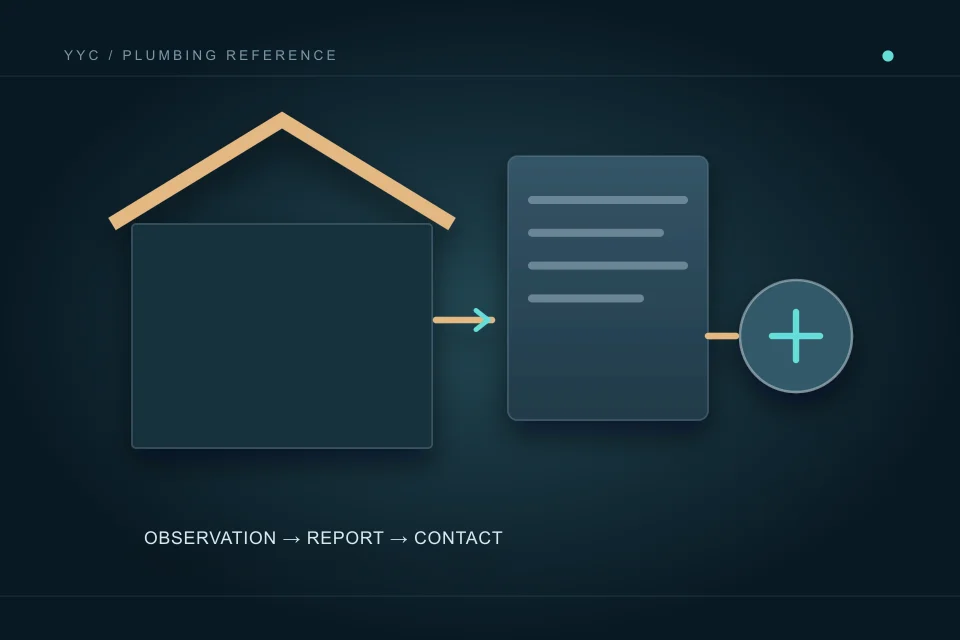
Send a factual, specific maintenance report
Identify the unit, affected room or fixture, symptom, start time and whether it is changing. Distinguish observations from guesses: “water appears below the kitchen sink when it is unused” is more useful than “the entire building pipe is broken.” Include safe photographs if appropriate and state when a responsible occupant can provide access.
Use the designated channel where available and keep a copy. Record telephone follow-up with date, contact and the agreed next step. Do not send keys, passwords or unnecessary personal information through a general request. A concise chronological account helps maintenance plan the correct response without requiring the tenant to choose parts, open walls or determine an ownership boundary.
Coordinate a practical assessment visit
Ask who will attend, the purpose of the visit and how access is arranged through the property process. Tell the contact about safe access constraints and occupied rooms, without providing unnecessary personal details. If shared service interruption is expected, occupants should receive information from the responsible party rather than infer restrictions from tools or exposed piping.
Before moving belongings, confirm which area needs access and what should remain untouched. Do not disturb wet electrical equipment or contaminated surfaces. Record any restriction on fixture use and tell other occupants. A tenant can help by providing accurate observations and agreed access, while qualified responders determine investigation, isolation and technical work.
Preserve the finding and work history
Keep the maintenance report, response, attendance date and any work description provided. Record whether the original symptom changed under ordinary use and what remains outstanding. Do not assume that a visit certifies all the plumbing, or that silence after an appointment means every concern was resolved. Ask for the next contact if the pattern continues.
If a different issue appears, report it with its own time and observations rather than merge it into an assumed ongoing fault. A clear history can help distinguish recurrence, incomplete work and a new condition. Keep financial or tenancy disputes in the appropriate separate process; a reference site’s request form is not a substitute for legal advice or the landlord’s maintenance obligations.
Use human review for the remaining planning question
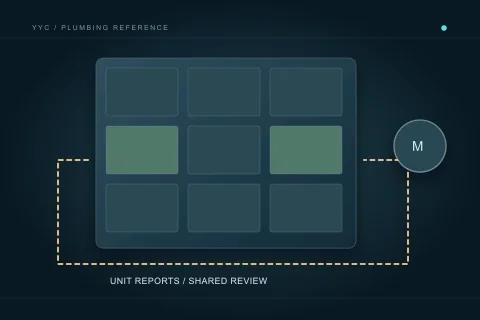
A YYCPlumber request can help organize symptoms or compare a proposed scope after the responsible direct contacts are used. State that the property is rented, who has been notified and what authority or response is still unclear. Do not present yourself as authorizing common or owner work when that has not been established.
The site is not the contractor, landlord or emergency dispatcher. Submission does not guarantee attendance, decide a legal dispute or confirm that a repair cost belongs to a particular person. A useful brief identifies the current condition and next decision honestly. Preserve the maintenance record so an authorized qualified service can assess the actual property without relying on guesses.
Questions people ask
Do I need to identify the failed pipe before reporting?
No. Give specific safe observations, timing and urgency. Diagnosis and technical scope belong to the qualified assessment.
Can this guide tell me to deduct repair costs from rent?
No. It provides no rent-withholding or legal-remedy advice. Use Alberta’s official tenancy information and appropriate advice for the actual dispute.
Should I arrange permanent alterations without telling the landlord?
Use the responsible authorization and emergency process. This guide does not authorize destructive investigation or permanent work on owner or shared systems.
What should I keep?
Reports, responses, times, safe photographs, visit information, work descriptions and remaining restrictions or next steps.
Sources and further reading
- Landlords and tenants — Rights and responsibilities ↗ · Government of Alberta. Checked 2026-10-02.
- Basement flooding and seepage ↗ · City of Calgary. Checked 2026-10-02.
- Homeowner electrical and plumbing permits ↗ · City of Calgary. Checked 2026-10-02.
Confirm the current requirements with the responsible authority for the actual address and work. This reference does not replace site assessment or an official decision.