Put people and safe access first
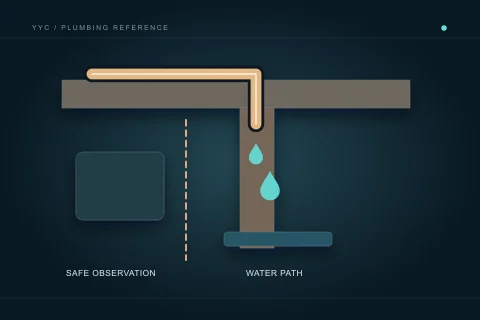
Keep people away from standing water, sewage and equipment that may be energized. Do not enter a flooded basement to retrieve photographs, find a valve or rescue stored belongings. Water can conceal electrical hazards and contaminated surfaces. A useful description can be made from a safe doorway without reaching into the affected area. When life safety is involved, emergency services take priority over an online request.
The City’s basement flooding guidance identifies gas odour and water above electrical outlets as emergency conditions. Follow the applicable emergency instructions rather than trying to isolate equipment yourself. If someone needs medical assistance, call emergency services. An online form, a promised callback or a tradesperson’s ordinary appointment calendar is not a substitute for that response.
Ask whether the condition is continuing
Is water still entering the space, is a fixture overflowing, or has the event stopped? Record the answer and the time you observed it. If you already know a reachable, dry and clearly identified household shut-off, you can tell the responder whether it is accessible. Do not force an unfamiliar valve, operate a street valve or enter an unsafe area to attempt isolation.
A stopped event can still need prompt assessment. Materials may remain wet behind finishes, a blocked drain may overflow when another person uses water, and a frozen line may leak after conditions change. Avoid interpreting “quiet now” as a repair. Limit use of affected fixtures when a backup is suspected and communicate the restriction to other occupants, especially in a shared building.
Separate one fixture from a wider problem
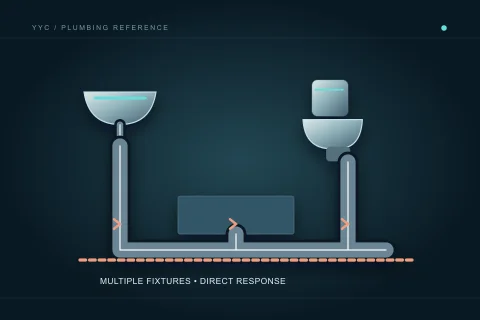
Note whether the symptom affects one tap, one room, several fixtures or the entire property. Distinguish hot water from cold water and supply problems from drainage problems. Do not repeatedly operate a fixture that is overflowing just to collect evidence. A short, factual observation is more valuable than recreating damage or trying multiple products before someone reviews the problem.
Ask whether neighbours or other units have a similar issue only if doing so is practical and safe. A broader loss of supply may involve a utility event, building control or service connection; a single fixture may involve a local component. Those are starting points, not diagnoses. Calgary’s pressure guidance helps distinguish some utility and household circumstances.
Contact the responsible party without assuming ownership
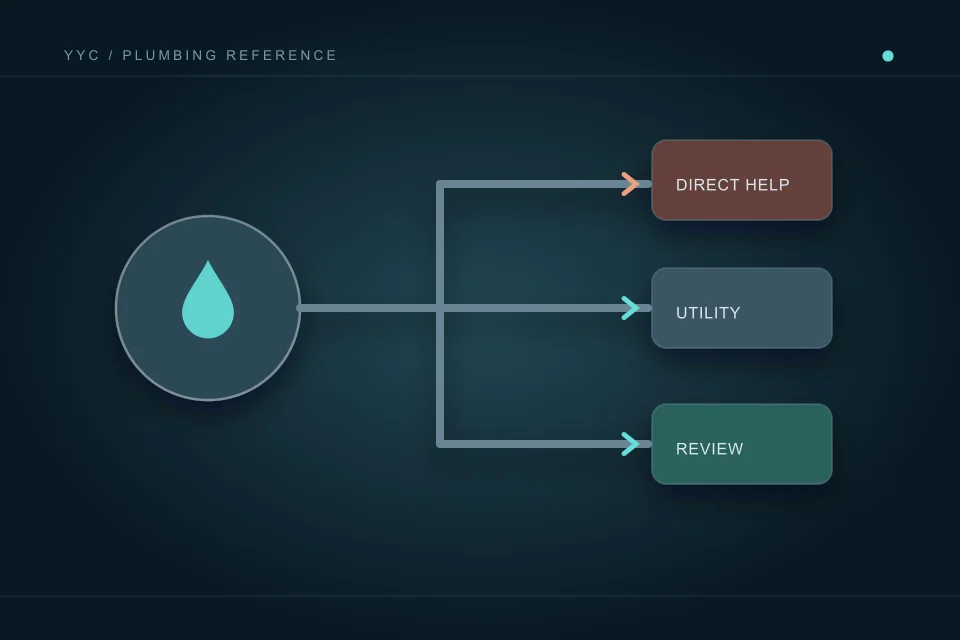
For a rental, notify the landlord or designated maintenance contact promptly and preserve the message. In a condominium, tell the property manager about symptoms that may affect shared pipes or other units. A homeowner can contact a qualified plumber for household assessment, while City water service questions can go to 311. Tell each contact what you observed and what has already been reported.
Do not commission destructive work on shared systems before the responsible party and scope are understood, unless the appropriate emergency process directs it. Ownership boundaries can differ among service lines, meters, building pipes and unit fixtures. A person responding to the problem should identify which authority, insurance contact or building representative needs to be involved before permanent alterations proceed.
Build a brief that supports the next decision
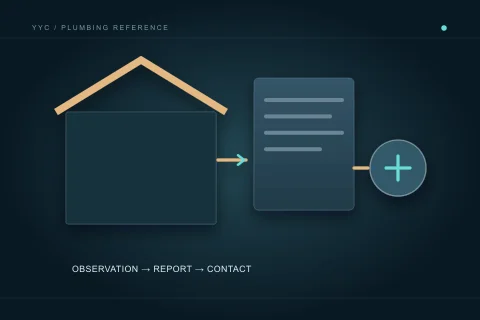
Write the address or neighbourhood, property type, affected fixtures, start time and whether the condition is changing. Include what is visible, not a guessed cause. “Cold water works at the kitchen, but no hot water at two bathrooms since this morning” is useful. “The heater is broken” can send the review in the wrong direction before anyone has inspected it.
Photographs should show the overall location and a safe close-up, without account numbers, keys or unrelated personal documents. Keep any repair history, City notice and previous quote separately. If you submit a request, state your availability and the contact method you consent to. Avoid sending the same event repeatedly to multiple intake systems without noting that other responders are already involved.
Use a request channel for the situation it can serve
A planned review can help with a recurring drip, an unexplained bill or a repair-versus-replacement decision once immediate safety and damage are addressed. State whether the property is occupied, rented or managed and whether someone can provide safe access. The request should identify a decision you need help making, rather than suggest that remote information can certify a pipe or fixture.
YYCPlumber requests are reviewed by a person; submission does not confirm a booked visit, emergency attendance, a price or contractor acceptance. Keep your submission reference and any response. If conditions worsen while you wait, return to the urgency assessment and contact the appropriate direct service. The next step should follow the current condition, not the original label on the request.
Questions people ask
Does submitting a request dispatch a plumber?
No. This site provides reference information and human-reviewed requests. A submitted request does not establish attendance or a guaranteed response time. Use direct emergency or building contacts when urgent conditions require them.
Should I test every fixture to narrow the problem?
Only describe safe observations already available. Do not run more water into a backup, recreate an overflow or operate suspect equipment to make a more complete report.
What if the water has stopped?
Record that fact and the time, but keep affected areas and fixtures restricted where necessary. Stopped water does not establish that hidden moisture, contamination or the cause has been addressed.
Who should a tenant tell first?
Use the landlord or designated maintenance and emergency process for the property. Preserve a factual written report and consult Alberta’s official tenancy information for responsibility questions.
Sources and further reading
- Basement flooding and seepage ↗ · City of Calgary. Checked 2026-10-02.
- Water pressure in Calgary ↗ · City of Calgary. Checked 2026-10-02.
- Landlords and tenants — Rights and responsibilities ↗ · Government of Alberta. Checked 2026-10-02.
Confirm the current requirements with the responsible authority for the actual address and work. This reference does not replace site assessment or an official decision.