Keep people away from the affected area
Do not enter standing water, handle sewage or reach for electrical equipment in a wet area. A flooded basement can conceal hazards even when the water seems shallow. Describe the condition from a safe location and use the applicable emergency process for life-safety concerns. The City’s flooding guidance identifies gas odour and water above electrical outlets as emergency conditions.
Do not move through contamination to collect possessions or identify a floor drain. Tell occupants and visitors which areas are restricted. Pets and children should be kept away. An online request is inappropriate as the only response to an active unsafe condition; it cannot establish attendance, isolate shared services or make the area safe while you wait.
Stop unnecessary fixture use and communicate it
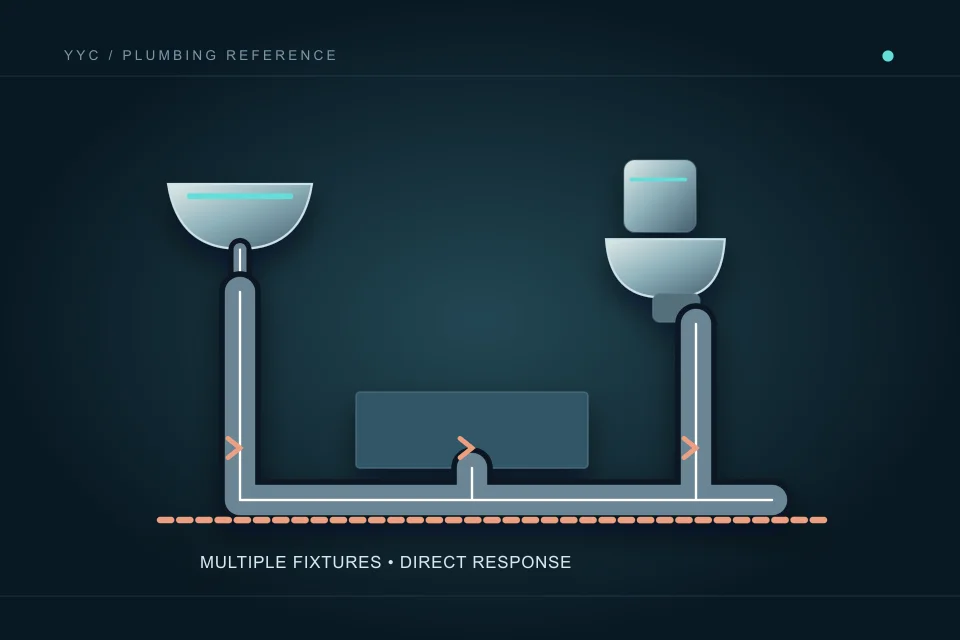
Avoid repeatedly flushing, running laundry or filling fixtures to reproduce the backup. Tell other occupants that drainage use may affect the event, including those on other floors or in connected units. The aim is to avoid adding water while the responsible service assesses it, not to conduct a household experiment that could increase damage.
Record which fixtures were operating when the backup began and where water appeared first. Keep the observation concise. “Lower shower rose during an upstairs laundry discharge” is a useful pattern, not proof of the exact obstruction. Note whether the condition continues after ordinary use is restricted, without attempting to remove caps, open piping or force a drain clear.
Use the City and building contacts for the actual scope
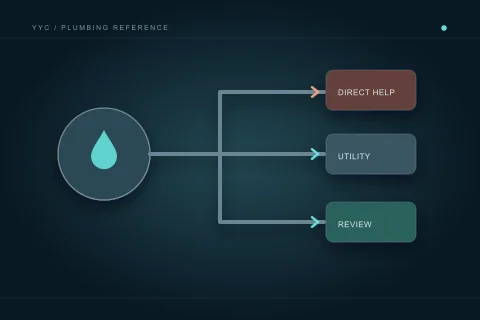
Calgary’s sewage-backup guidance directs residents to report the situation to 311 so questions can help distinguish internal plumbing from possible City infrastructure concerns. Give the address, affected fixtures, ongoing-water status and any known wider pattern. Do not assign blame to the utility or household pipe before the assessment establishes the boundary.
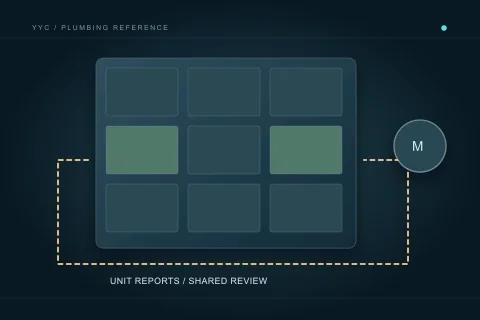
In a condominium or rental, notify the manager or designated maintenance contact promptly. Shared drains and access to other units may matter. Tell each responder which contacts are already involved and retain reference numbers. An owner should not authorize permanent work on common systems simply because the visible backup is inside their unit.
Disclose relevant previous work and interventions
Provide dates of recurring events, previous clearing or inspection services and any altered fixtures or drainage. Keep the earlier reports available. Tell the responder if cleaning products or other substances were introduced; that information can affect safe servicing. Do not repeat products or mix remedies because a prior attempt did not clear the condition.
An earlier successful clearing does not establish the whole system’s condition, and recurrence does not by itself prove a specific repair is necessary. Ask what the previous service actually covered and what limitations were recorded. A chronology helps the new assessment determine whether it is reviewing an unresolved event, a different pattern or newly altered work.
Separate immediate response from permanent decisions
The first service may address the active event and gather information. A later proposal may concern assessment, access, repair or replacement. Ask which deliverable is included at each stage and what evidence supports a larger recommendation. The visible backup is not enough by itself to choose excavation, a pipe replacement boundary or a device installation.
If permanent work is proposed, identify access, approvals, testing, finish reinstatement and exclusions in writing. Calgary distinguishes blockage removal from construction, extension and alteration in its permit guidance. Have the actual scope reviewed. Written changes should state cost and timing rather than let emergency attendance become blanket approval for every suggested upgrade.
Keep recovery responsibilities and records distinct
Stopping the backup, repairing piping, assessing contaminated materials and restoring finishes are different tasks. Ask who is responsible for each and what remains restricted. This site does not give cleanup methods or certify that an area is safe to occupy. Keep service reports, photographs from safe access, reference numbers and approved work together for the responsible property and insurance processes.
When conditions are controlled, a human-reviewed request can help organize the unresolved decision or comparison of proposed scopes. State the current condition and work already done so the next reviewer does not mistake a historical event for an active call. YYCPlumber is not an emergency dispatch service or the contractor performing repair; a request does not guarantee attendance or a result.
Questions people ask
Do multiple fixtures identify the exact blockage?
No. They establish a wider pattern requiring assessment. Location, cause and responsibility still need the appropriate service review.
Should I keep using upstairs fixtures if only the basement is affected?
Do not add unnecessary use to reproduce the event. Notify occupants and follow the direct responder’s instructions for the actual system.
Does a clearing invoice certify all the drainage?
No. It should describe the work and limitations. Ask what was assessed and what evidence supports any further recommendation.
Is recovery included in the plumbing appointment?
Only the agreed scope is included. Plumbing response, contamination assessment, drying and finish reinstatement may have separate responsible parties.
Sources and further reading
- Sewage backups ↗ · City of Calgary. Checked 2026-10-02.
- Basement flooding and seepage ↗ · City of Calgary. Checked 2026-10-02.
- Homeowner electrical and plumbing permits ↗ · City of Calgary. Checked 2026-10-02.
- Hiring a contractor ↗ · Government of Alberta. Checked 2026-10-02.
Confirm the current requirements with the responsible authority for the actual address and work. This reference does not replace site assessment or an official decision.