Identify the affected fixtures
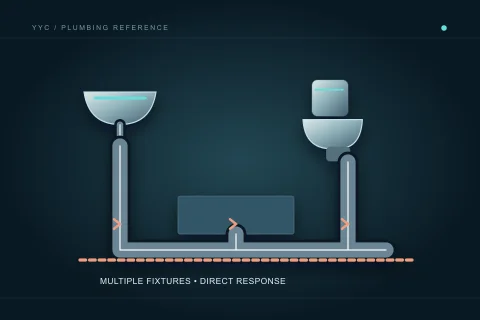
List the sink, shower, bath, toilet or laundry involved and whether the issue is isolated or appears in several places. Note the level of the building and when the symptom began. A single fixture and multiple fixtures across a property suggest different assessment scopes, but the pattern does not by itself locate a blockage or establish a failed pipe.
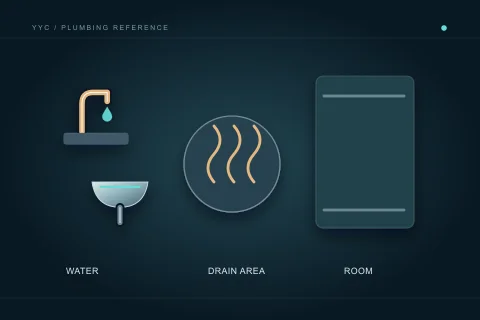
Use observations already available. Do not repeatedly run a washing machine or fill a basin to reproduce an overflow. If another fixture reacts when water is used elsewhere, record that fact and stop unnecessary testing. Give the reviewer the relationship in plain language, such as “the lower shower rose when the upstairs laundry discharged,” without declaring a main-line diagnosis.
Escalate backup and contamination conditions
If water or sewage is entering the property, keep people out of unsafe areas and use the appropriate direct service or building response. Restrict use of affected fixtures and tell other occupants. Multiple-fixture backup can worsen with continued water use. Do not enter standing water, open drains or perform cleanup to obtain a better photograph.
The City’s basement flooding guidance identifies important safety conditions and distinguishes flooding contexts. Gas odour or water above electrical outlets requires the applicable emergency process. A routine online request should not delay direct help. Record where the water appears and whether it continues from a safe location rather than trying to confirm contamination yourself.
Tell the responder what has already been tried
List prior service visits, cleaning work, alterations and products introduced to the drain. Give dates and keep service reports if available. Avoid repeating remedies to see whether a second attempt works. Products can create risks for a responder who opens or services the system, so disclose them clearly rather than omit them because they did not solve the symptom.
Note whether the problem is new, recurring or unchanged after earlier work. A short history helps distinguish a first assessment from a review of an unresolved condition. Do not assume that every recurrence proves the previous contractor caused it. Ask what was assessed, what work was performed and what limitation or follow-up the prior report identified.
Separate fixture use from system changes
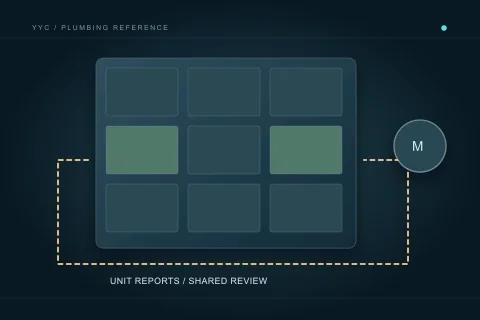
Record recent renovations, fixture relocations or building changes near the time symptoms began. In a condominium, ask the manager whether related issues exist in other units and whether shared drainage is being reviewed. A symptom at a unit fixture does not automatically establish private responsibility. Avoid authorizing changes to common systems without the appropriate process.
For an older property, unknown routes and access can affect assessment. Drawings and previous inspection records are useful but may not reflect later alterations. Tell the reviewer what is known and what is uncertain. An editorial diagram can explain drainage concepts; it cannot certify the arrangement behind the actual finished walls or below the slab.
Ask for a staged assessment and defined deliverable
Clarify whether the visit includes symptom assessment, a cleaning attempt, inspection evidence or a written recommendation. These are different services. If a larger repair is proposed, ask for the finding that supports it and the boundary of affected piping. A symptom name alone is not enough to choose excavation or replacement.
Separate access, plumbing work and finish restoration in the quotation. Calgary’s permit guidance distinguishes blockage removal from construction, extension and alteration. Have any expanded scope reviewed accordingly. Require written approval for changes in access or permanent work, with price and programme effects explained before the proposal proceeds beyond the agreed stage.
Keep evidence that can support the next review
Retain the service description and any supplied inspection evidence with the fixture pattern and dates. Ask what the work resolved, what remains uncertain and what ordinary-use observation should trigger follow-up. Do not call a drain certified merely because it cleared once. The report should describe its actual scope rather than imply every concealed component was inspected.
For a human-reviewed YYCPlumber request, provide the affected fixtures, urgency, recurrence, prior actions and decision needed. Submission does not dispatch emergency service or guarantee a clearing outcome. A factual brief helps the next person avoid repeating an unsuitable assumption and makes repair-versus-replacement discussions depend on findings rather than frustration with a recurring symptom.
If evidence is supplied after service, retain its location and date with the report. An unlabeled picture should not become a future replacement recommendation without the qualified reviewer explaining what it shows and what remains outside its scope.
Questions people ask
Should I use several cleaning products before requesting help?
No product instructions are provided here. Avoid mixed or repeated remedies and tell the responder what has already entered the system.
Do several affected fixtures prove the exact blockage location?
No. It establishes a wider pattern that needs assessment, not a confirmed location or replacement design.
Does blockage removal always have the same permit scope as pipe replacement?
No. Calgary distinguishes limited blockage removal from construction, extension and alteration. Have the actual proposed work reviewed.
What evidence should a larger repair recommendation include?
A clear finding, affected pipe boundary, access requirements, proposed work and limitations, with relevant assessment records and written changes.
Sources and further reading
- Basement flooding and seepage ↗ · City of Calgary. Checked 2026-10-02.
- Homeowner electrical and plumbing permits ↗ · City of Calgary. Checked 2026-10-02.
- Hiring a contractor ↗ · Government of Alberta. Checked 2026-10-02.
Confirm the current requirements with the responsible authority for the actual address and work. This reference does not replace site assessment or an official decision.