Name the symptom precisely
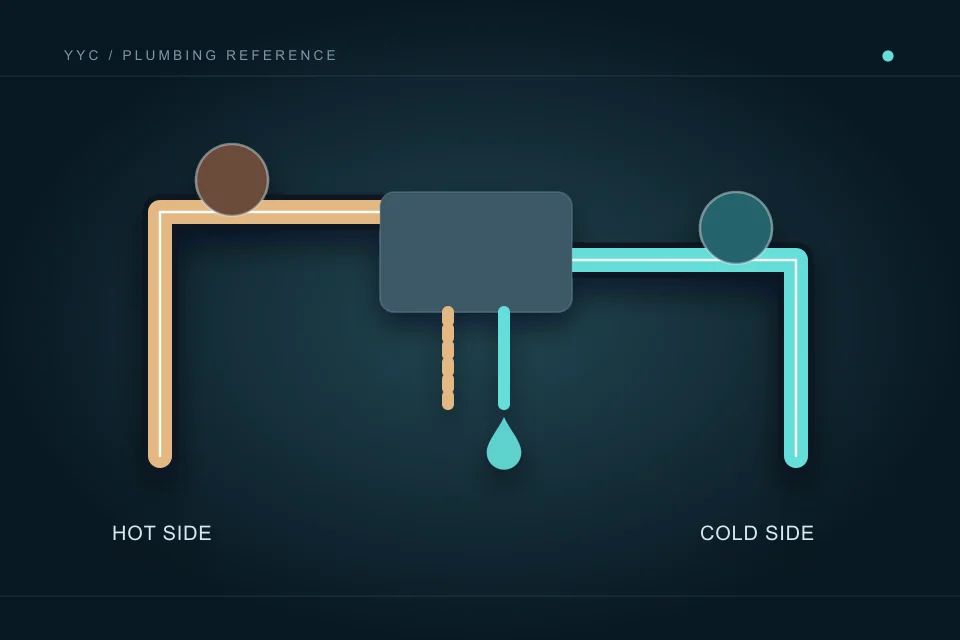
State whether there is no hot water, water that cools during use, a long wait, lower delivery only on hot or an unsafe temperature concern. List the affected fixtures and whether the pattern is consistent. “The upstairs shower changes temperature when another fixture operates” communicates more than “the hot water is bad.” Avoid repeatedly exposing someone to water that feels unsafe just to measure it.
Record when the issue started and whether it followed equipment service, a fixture change or a plumbing alteration. If the problem is at one fixture, tell the reviewer whether another outlet has the same symptom. These observations guide assessment but do not identify a failed component. Keep the result of a safe observation separate from a neighbour’s explanation or an online diagnosis.
Recognize conditions needing direct help
Keep away from leaking powered equipment, suspect wiring and gas odour. Use the applicable emergency process for life-safety conditions. Do not remove covers, reset unfamiliar equipment repeatedly or use a suspected electrical device in a wet area. If hot water presents a burn concern, restrict affected use and contact the responsible qualified service rather than experimenting with settings.
In a shared or rented property, notify the designated maintenance contact and explain who is affected. A building-wide hot-water issue can require a different response from one suite’s fixture concern. State any vulnerable access or occupancy constraints without unnecessary personal information. A routine online request is not a substitute for direct help when current conditions are unsafe.
Collect identification without opening the appliance
If an accessible label can be read safely, record the equipment make, model and approximate installation date from existing documents. Keep prior invoices, manufacturer information and service notes. Do not dismantle the appliance or reach behind it through unsafe access to obtain a serial number. A missing label can simply be marked unknown in the brief.
Tell the reviewer about known storage, circulating equipment or building-managed hot water only as facts you can establish. Manufacturer operating limits are product specific. Do not apply a generic online setting to equipment you have not identified. A qualified service should explain the assessed issue and any recommended action using the actual installation rather than the appearance of an example photograph.
Describe household demand as a planning record
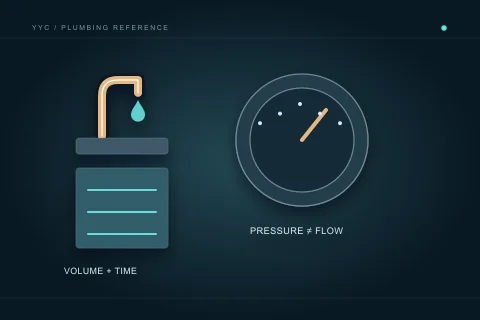
Record overlapping uses that appear related to the symptom: showers, baths, laundry or other fixtures. The planning worksheet estimates mixed-water draw from outlets, flow and duration. It does not establish hot-only demand or size a heater. Actual equipment assessment may involve temperatures, storage, recovery and system arrangement that this simple worksheet does not determine.
A change in household use can be relevant without proving the equipment is undersized. Likewise, one high-volume fixture can alter the perceived experience. Ask the assessor to distinguish the observed use pattern, system condition and proposed replacement rationale. Do not assume a larger product automatically solves inconsistent delivery, a fixture control problem or a circulation issue.
Ask what the recommendation is intended to resolve
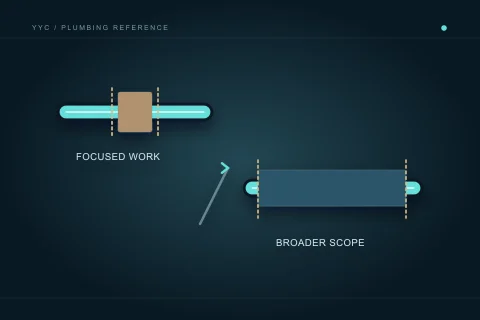
A proposal should state whether it addresses equipment, a local fixture, distribution or controls, and why that scope fits the findings. Separate assessment, repair and replacement options. Ask what is excluded, which regulated trades are involved and who handles applicable permits. A plumbing article should not imply that gas or electrical work is incidental homeowner work.
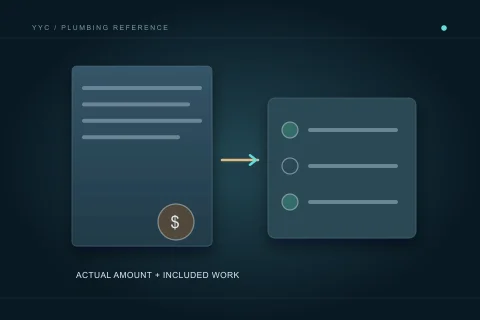
If replacement is recommended, request a clear explanation of alternatives and the complete installation scope. Include access, removal, connections, approvals, testing and any finish work. Compare actual written proposals rather than internet job-price ranges. Keep product warranties distinct from labour and service commitments, and confirm the party responsible for follow-up if the original symptom remains.
Keep the outcome connected to the original symptom
Ask for the service finding, work completed, relevant operating information and any remaining limitation. Record the date and whether the original pattern has changed under ordinary use. Do not describe a single successful observation as proof of every possible operating condition. If an unsafe condition persists, use direct qualified help rather than waiting for a routine follow-up form.
For a human-reviewed request, provide the symptom, affected fixtures, recent work and the decision you need to make. YYCPlumber is not the contractor performing the service and does not certify an appliance or guarantee response. A concise evidence-based brief helps a person review the next step without asking you to dismantle equipment or make technical adjustments.
Questions people ask
Can a water-use worksheet size a hot-water system?
No. It produces a mixed-water use example. Sizing and equipment selection need a qualified review of the actual system, use and applicable requirements.
Should I raise a setting if water is not hot enough?
No adjustment instructions are provided here. Identify the symptom and equipment, then use a qualified service for the actual controls and safety requirements.
Is hot-only low delivery a City pressure issue?
The City’s guidance identifies hot-only concerns as a reason to contact a plumber. Describe the actual scope and use 311 for utility questions where appropriate.
What makes a replacement quote comparable?
The product and assessed rationale, included trade work, access, approvals, removal, testing, exclusions and warranty responsibilities—not just a headline amount.
Sources and further reading
- Water pressure in Calgary ↗ · City of Calgary. Checked 2026-10-02.
- Basement flooding and seepage ↗ · City of Calgary. Checked 2026-10-02.
- Plumbing and gas permits ↗ · City of Calgary. Checked 2026-10-02.
- Hiring a contractor ↗ · Government of Alberta. Checked 2026-10-02.
Confirm the current requirements with the responsible authority for the actual address and work. This reference does not replace site assessment or an official decision.