Decide whether a routine request is appropriate
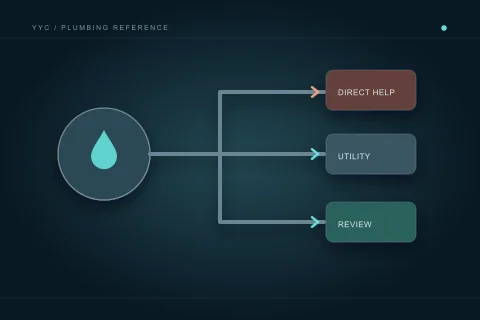
Active unsafe flooding, sewage, suspected gas and other life-safety conditions require the appropriate direct emergency or building process. Do not wait for a form response to make the area safe. Calgary’s flooding guidance identifies important emergency conditions. Keep people out of unsafe areas and report the current condition through the responsible direct service.
A routine request can be useful after immediate conditions are controlled or for a contained planning question. State the current status clearly so a historical event is not mistaken for an active emergency. If conditions worsen after submission, reassess the next step and use direct help. A submission reference does not mean someone is monitoring the property or arranging immediate attendance.
Use a concrete symptom statement
Identify room, fixture, type of symptom, start time and whether it is changing. Distinguish hot from cold, supply from drainage and one fixture from several where safe observations permit. “The kitchen cold tap delivers less than usual since yesterday; two bathroom taps appear normal” is useful. “The service needs replacement” is a conclusion that may not follow from those facts.
Do not recreate damage or test unsafe equipment to fill every detail. Mark unknowns plainly. Photographs should show the overall location and a safe closer observation without account information, keys or unrelated documents. A concise factual account gives the reviewer a starting point while leaving diagnosis and technical scope to the appropriate qualified assessment.
Include the context that changes the response
State whether the property is a detached home, rental, condominium or other managed setting. Note whether the landlord, manager or City has already been contacted and include relevant references. Describe safe access and practical availability without unnecessary personal detail. Shared services or authorization can matter even when the visible symptom is inside one room.
Do not imply you can approve permanent work if that authority has not been established. The reviewer should know who makes the scope decision and who provides access. A property type is context, not a universal ownership ruling. Keep responsibility uncertain where the building process or actual system needs clarification rather than force a private-versus-common conclusion into the request.
Summarize relevant previous actions
List recent work, recurring events and direct enquiries with dates. Tell the reviewer about cleaning products, prior repairs or a scheduled shutdown when relevant. Do not repeat interventions merely to make the request sound more complete. Attach a short relevant report if available, with unnecessary private information removed.
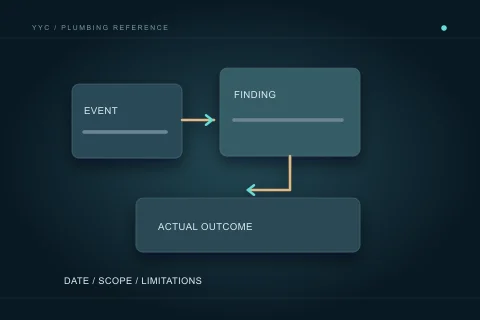
Explain what changed after previous work and what remains unresolved. Recurrence does not automatically prove the same cause or establish fault by a contractor. A useful history separates the original symptom, assessed finding, action and current observation. It prevents the next reviewer from recommending a scope without knowing that another party has already assessed or altered the system.
Name the help you want to prepare
Ask for a defined next decision: an assessment brief, repair-versus-replacement questions, comparison of written proposals or coordination of a planned review. Do not ask the form to certify hidden pipes, provide legal advice or guarantee a price. The tool worksheets can add a supplied observation or scope checklist, but their output is not a diagnosis or contractor acceptance.
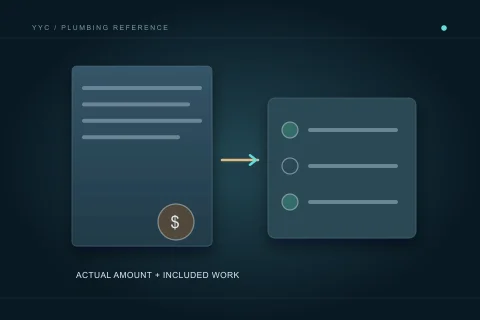
If quotations exist, identify the unresolved details rather than upload a pile of documents without a question. Useful examples include unclear access, permits, restoration or retained work. Actual amounts can be reviewed as supplied facts; the site does not invent a market range or rank businesses. A focused request respects the reviewer’s role and makes the next conversation more productive.
Submit contact information and retain the reference
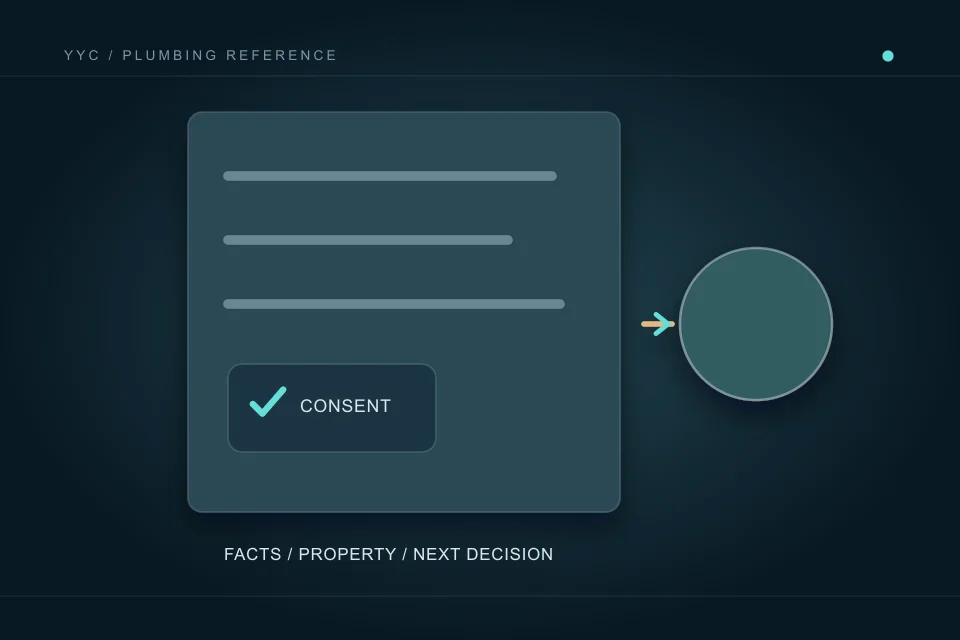
Provide the contact details you choose to use and read the consent information before submitting. A phone number should not be treated as necessary evidence of the plumbing condition. Keep the reference shown by the request flow and any response so duplicate messages can be identified. Do not submit unrelated customer information or assume consent covers outreach to other people.
Submission means a request was sent through the site’s process; it does not establish a booked appointment, contractor agreement, emergency response or a guaranteed time. If you need to update facts, refer to the original request and explain the change. Keep direct services responsible for urgent conditions and use human review to prepare the appropriate next decision from an accurate record.
Questions people ask
Must I know which part failed before submitting?
No. Specific safe observations, timing and scope are enough to start a useful review. Do not dismantle equipment to supply a diagnosis.
Does a request book a plumber?
No. It is human reviewed and does not confirm contractor acceptance, attendance, price or a guaranteed response time.
Can I submit for someone else without their consent?
Do not provide unrelated personal contact information or assume another person consented. Use your authorized property role and the stated request process.
What should I do if the condition worsens?
Use the appropriate direct emergency, utility or building response for the current condition. Do not wait for a routine request because you already have a submission reference.
Sources and further reading
- Basement flooding and seepage ↗ · City of Calgary. Checked 2026-10-02.
- Sewage backups ↗ · City of Calgary. Checked 2026-10-02.
- Hiring a contractor ↗ · Government of Alberta. Checked 2026-10-02.
- Hiring a contractor ↗ · City of Calgary. Checked 2026-10-02.
Confirm the current requirements with the responsible authority for the actual address and work. This reference does not replace site assessment or an official decision.